Being told you may need spine surgery is worrying, and choosing who will treat you is one of the most important decisions you will make. Mumbai has many qualified spine surgeons, so the right choice is less about finding a single "best" name and more about finding the surgeon who is best suited to your condition, explains your options clearly and works in hospitals equipped for your treatment. This guide sets out what to check, what to ask and when a second opinion makes sense.
Check Qualifications and Registration
Start with the basics. A spine surgeon in India is usually an orthopaedic surgeon (MS or DNB in Orthopaedics) or a neurosurgeon (MCh) who has then completed additional training focused on the spine.
- Medical registration: every practising doctor must be registered with a State Medical Council or the National Medical Commission. You can ask for the registration number and check it on the official register.
- Spine fellowship: a fellowship is one to two years of dedicated spine surgery training after the main degree. Fellowships at established spine centres in India or abroad indicate focused experience.
- Ongoing academic work: publications, teaching at surgical courses and conference faculty roles suggest the surgeon keeps up with current evidence.
Look for Experience With Your Condition
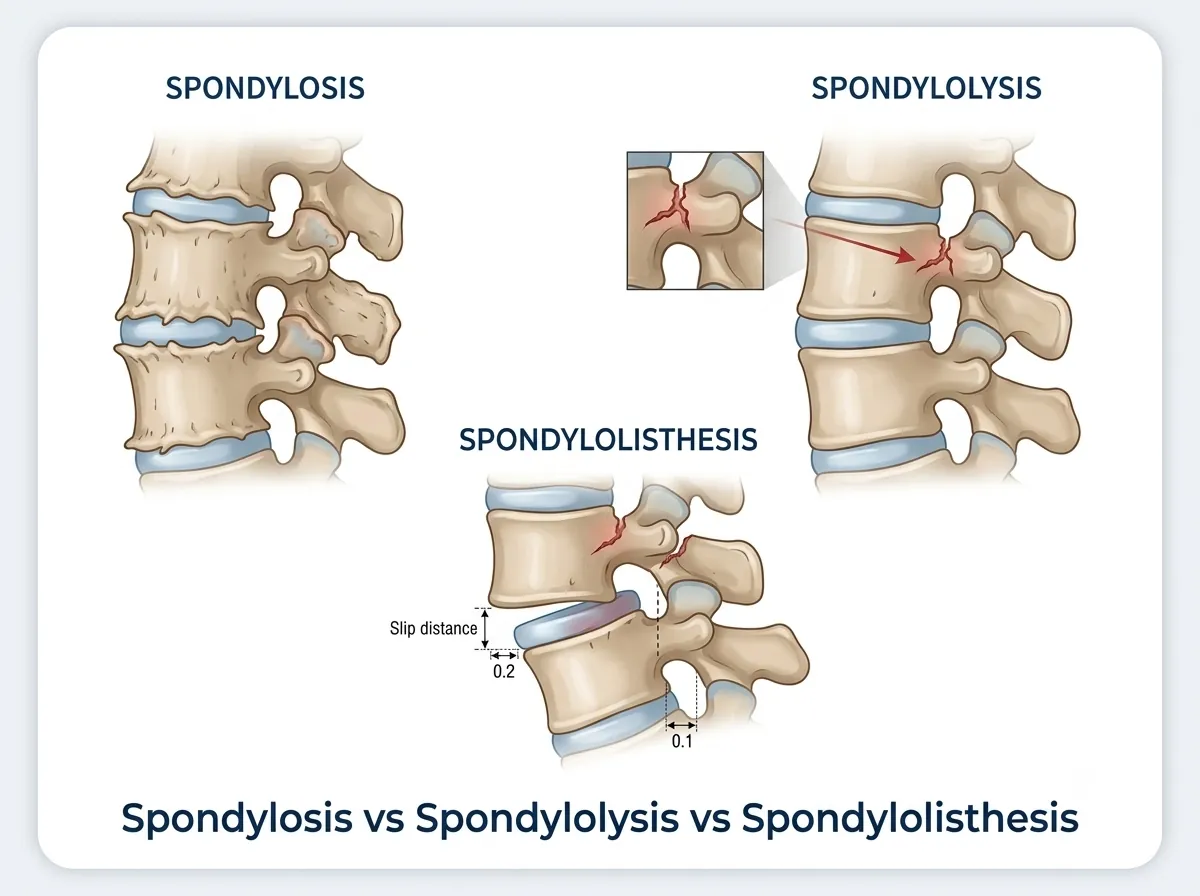
Spine surgery covers very different problems. A slipped disc in a young adult, cervical myelopathy in an older patient, scoliosis in a teenager and a failed previous operation each need different skills. Ask how often the surgeon treats your specific condition and which techniques they use for it, such as microdiscectomy, endoscopic surgery, minimally invasive fusion or deformity correction.
For complex cases, including deformity, infection, tumours or revision surgery after a previous operation, it helps to choose a surgeon who regularly manages complex spine reconstruction and works with the supporting technology, such as intraoperative neuromonitoring and computer navigation.
Ask About Non-Surgical Options First
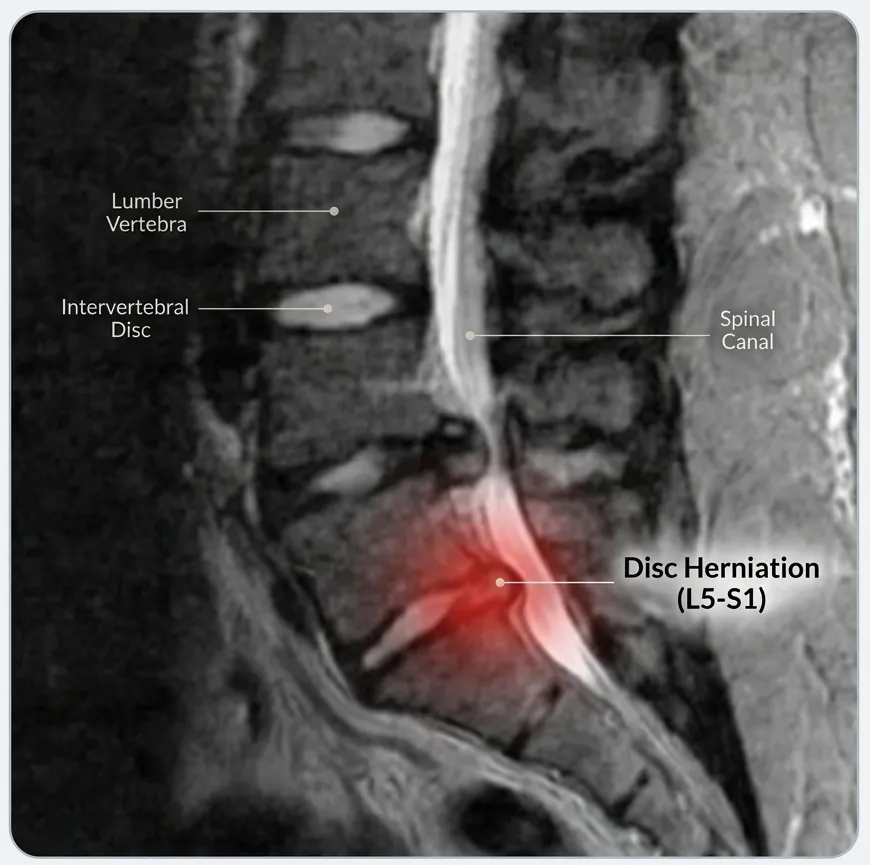
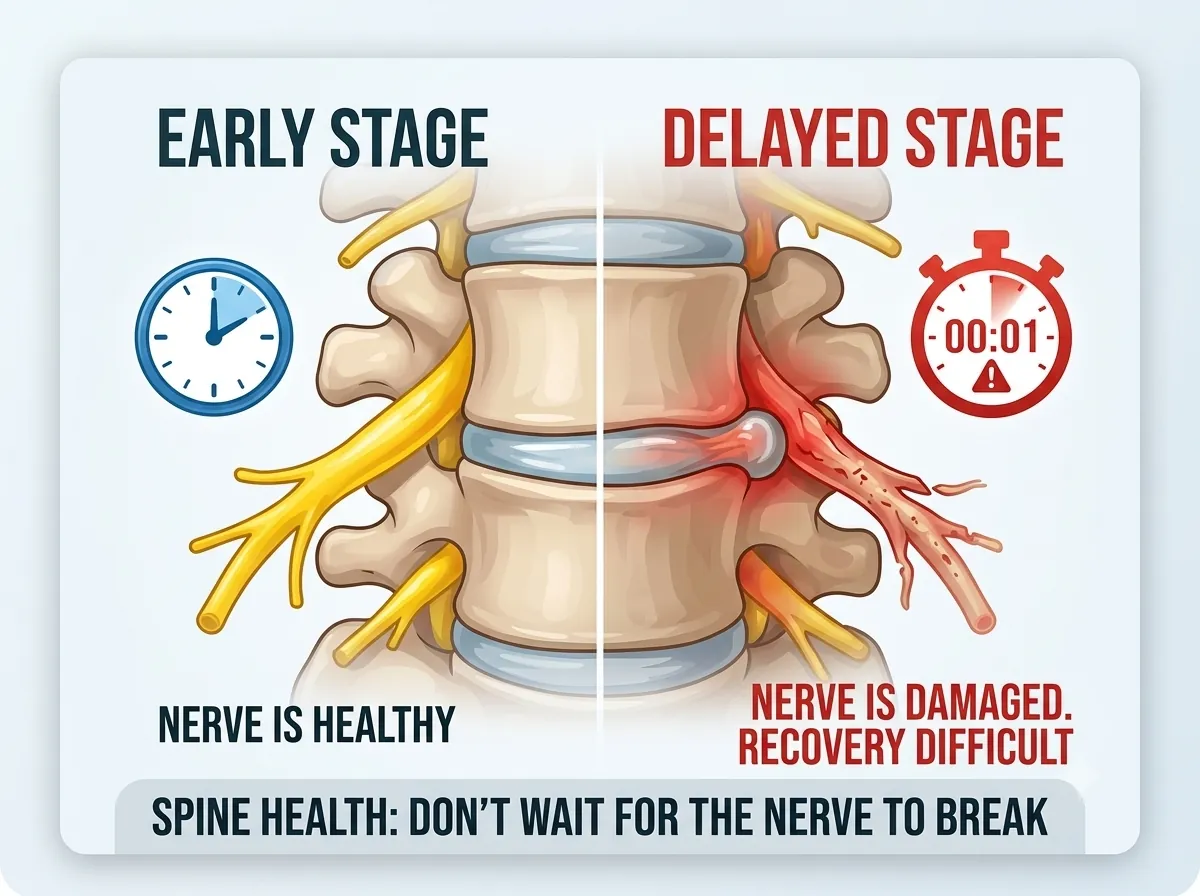
Many back and neck problems improve with time, physiotherapy, medication or injections. A good consultation explains why surgery is or is not recommended in your case, what happens if you wait, and what non-surgical options are realistic. Be cautious if you feel rushed into a decision, or if the recommendation is based on the MRI alone without a detailed examination.
Questions to Ask at Your Consultation
- What exactly is causing my symptoms, and how sure are you of the diagnosis?
- What are my options, including not having surgery?
- Which operation do you recommend, and why this one?
- What are the main risks for someone like me?
- How long will I be in hospital, and when can I walk, work and drive again?
- Which hospital will the surgery be done in, and what will it cost, including implants?
- What follow-up and rehabilitation will I need?
Bring your MRI and X-ray images (not just the reports), a list of your medicines and any previous treatment records.
Consider the Hospital and the Team
The surgeon operates within a hospital team. Check where the surgeon has operating privileges, whether the hospital has an intensive care unit, and whether physiotherapy and rehabilitation are available. Location matters too: you will need follow-up visits, so a clinic within reach of home or work makes recovery easier.
When a Second Opinion Helps
A second opinion is reasonable and common before any planned spine operation, especially for fusion surgery, multi-level surgery or revision surgery. A good surgeon will not be offended. You can often start by sending your MRI and reports for review before booking an in-person consultation.
About Neo Spine Clinic
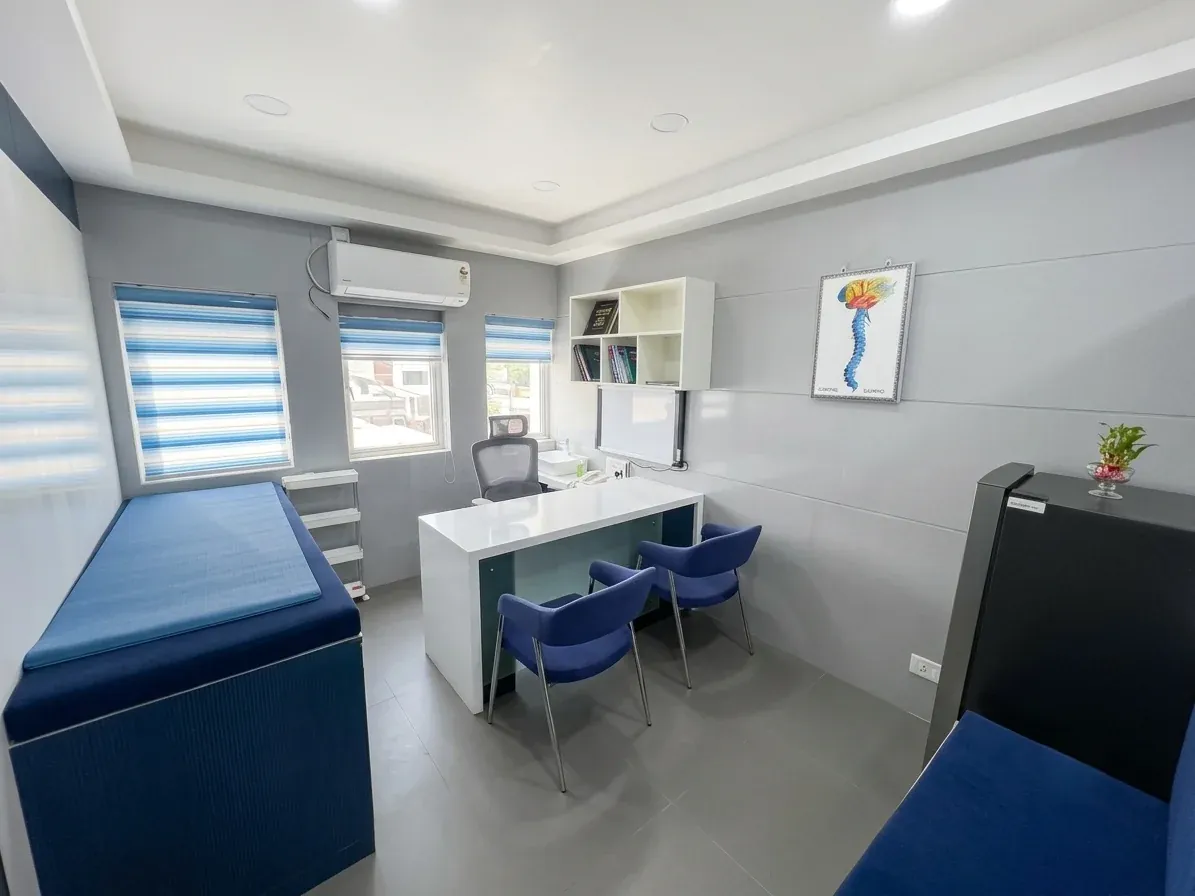
Neo Spine Clinic at Opera House, South Mumbai, is the practice of Dr. Amit Sharma, MS (Ortho), DNB (Ortho), a consultant spine surgeon who trained at Seth GS Medical College and KEM Hospital, Mumbai, with clinical fellowships at the Hospital for Special Surgery, New York, and a visiting fellowship at the Center for Spine Surgery, Karlsbad, Germany, under Prof. Jürgen Harms. He consults by appointment in South Mumbai and Thane, and offers MRI review for patients seeking a second opinion.
Frequently Asked Questions
How do I find the best spine surgeon in Mumbai for my problem?
Look for a registered orthopaedic or neurosurgeon with dedicated spine fellowship training, regular experience with your specific condition, and operating privileges at a well-equipped hospital. Choose someone who explains all your options, including non-surgical care, and is comfortable with you seeking a second opinion.
Should I see an orthopaedic spine surgeon or a neurosurgeon?
Both can be well trained in spine surgery. What matters more is the surgeon's specific spine training and experience with your condition, rather than the original specialty.
Is it worth getting a second opinion before spine surgery?
Yes, for any planned operation it is reasonable to get a second opinion. It can confirm the diagnosis, check whether non-surgical options have been tried, and help you choose between surgical approaches.
What should I bring to my first spine consultation?
Bring your MRI, CT or X-ray images on a CD or USB, the radiologist's reports, a list of current medicines, and any previous treatment or surgery records.
Does minimally invasive spine surgery suit everyone?
No. Minimally invasive and endoscopic techniques suit many disc and stenosis problems, but some conditions, such as complex deformity or instability, may need a different approach. Your surgeon should explain which option fits your case and why.
This article is general education written by Dr. Amit Sharma. It is not a diagnosis or a substitute for an in-person consultation.