Physiotherapy is a major non-surgical treatment for many forms of back pain. Effective rehabilitation does more than temporarily reduce discomfort: it identifies movement limitations, strength deficits and habits that may be maintaining the problem, then builds a progressive plan around the individual diagnosis.
What Happens at the First Physiotherapy Visit?
The first session should begin with assessment rather than a standard exercise sheet. Pain duration is commonly described as acute (up to 6 weeks), subacute (about 6–12 weeks) or chronic (more than 12 weeks), because duration influences treatment goals and progression.
What the assessment may include
- Posture, gait and movement habits.
- Spinal and hip mobility and flexibility.
- Muscle strength, endurance and joint function.
- Neurological screening when leg pain, numbness, tingling or weakness suggests nerve involvement.
- Work, exercise, lifting, sitting and sleep factors that repeatedly provoke symptoms.
Understanding Different Back-Pain Patterns
| Pattern | Typical description |
|---|---|
| Localized pain | Pain mainly in the lower back or buttock. |
| Radiating pain | Pain travels into the leg or foot, often with nerve irritation. |
| Referred pain | Pain is perceived away from the source without necessarily following a single nerve root. |
| Neurological symptoms | Tingling, numbness or weakness can indicate nerve involvement and require closer assessment. |
| Mechanical stiffness | Muscular tightness and restricted movement may accompany poor ergonomics, inactivity or repetitive loading. |
Why Early Diagnosis and Treatment Matter
Early guided activity can reduce pain, restore movement and prevent unnecessary deconditioning. Prolonged bed rest is generally discouraged for uncomplicated back pain. The aim is to remain active within safe limits while gradually restoring normal function.
Movement is part of treatment
For most uncomplicated mechanical back pain, carefully graded activity is more useful than extended bed rest.
Pain Relief and Inflammation Control
Modalities that may be used selectively
- Heat or cold therapy.
- TENS or interferential therapy (IFT) for symptom modulation.
- Dry needling for selected myofascial trigger points.
- De-loading or supportive taping.
- Instrument-assisted soft-tissue mobilization (IASTM).
- Short-term bracing in selected cases.
A brace is not a long-term substitute for muscle function
Prolonged unnecessary brace use can encourage dependence and deconditioning. If a brace is used, it should have a defined indication and duration.
Restoring Function and Strength
Active rehabilitation tools
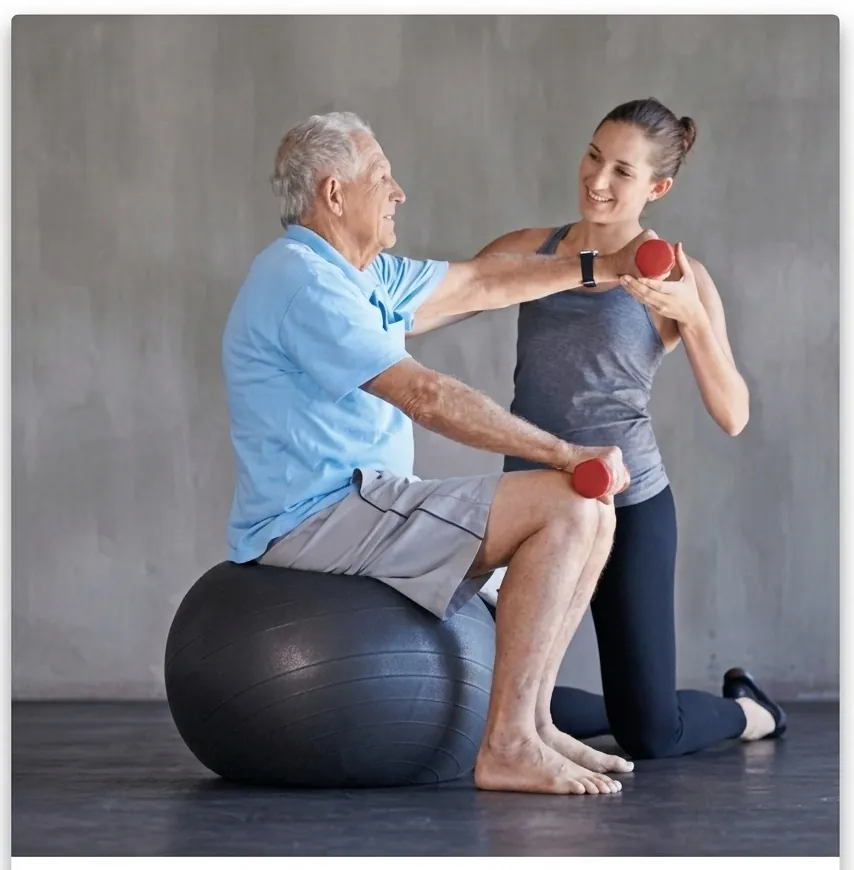
- Manual therapy: selected mobilization and hands-on techniques to improve movement and reduce stiffness.
- Stretching: addresses shortened or tight muscle groups without forcing painful ranges.
- Core and trunk strengthening: builds endurance and control around the lumbar spine.
- Hip and lower-limb strengthening: improves load sharing and movement mechanics.
- Movement retraining: teaches safer bending, lifting, sitting and return-to-work patterns.
- Graded exercise: progressively restores walking, daily activity and sport rather than jumping directly from rest to full load.
Preventing Recurrence
Long-term improvement depends on correcting the factors that repeatedly overload the back. Regular exercise, appropriate body weight, good workstation ergonomics, sensible lifting technique, movement breaks during prolonged sitting and maintaining hip/core strength all reduce recurrent mechanical stress.
When Physiotherapy Needs Medical Review
Urgent assessment
New bladder/bowel dysfunction, saddle numbness or rapidly progressive leg weakness should not be managed as routine physiotherapy.
Reassess the diagnosis
Persistent severe pain, worsening neurological symptoms, fever, unexplained weight loss or failure to improve despite an appropriate program warrants medical review.
Continue progressive rehab
Steadily improving mechanical pain without neurological deterioration is usually managed with gradual strengthening and return to activity.
This article is general education written by Dr. Amit Sharma. It is not a diagnosis or a substitute for an in-person consultation.