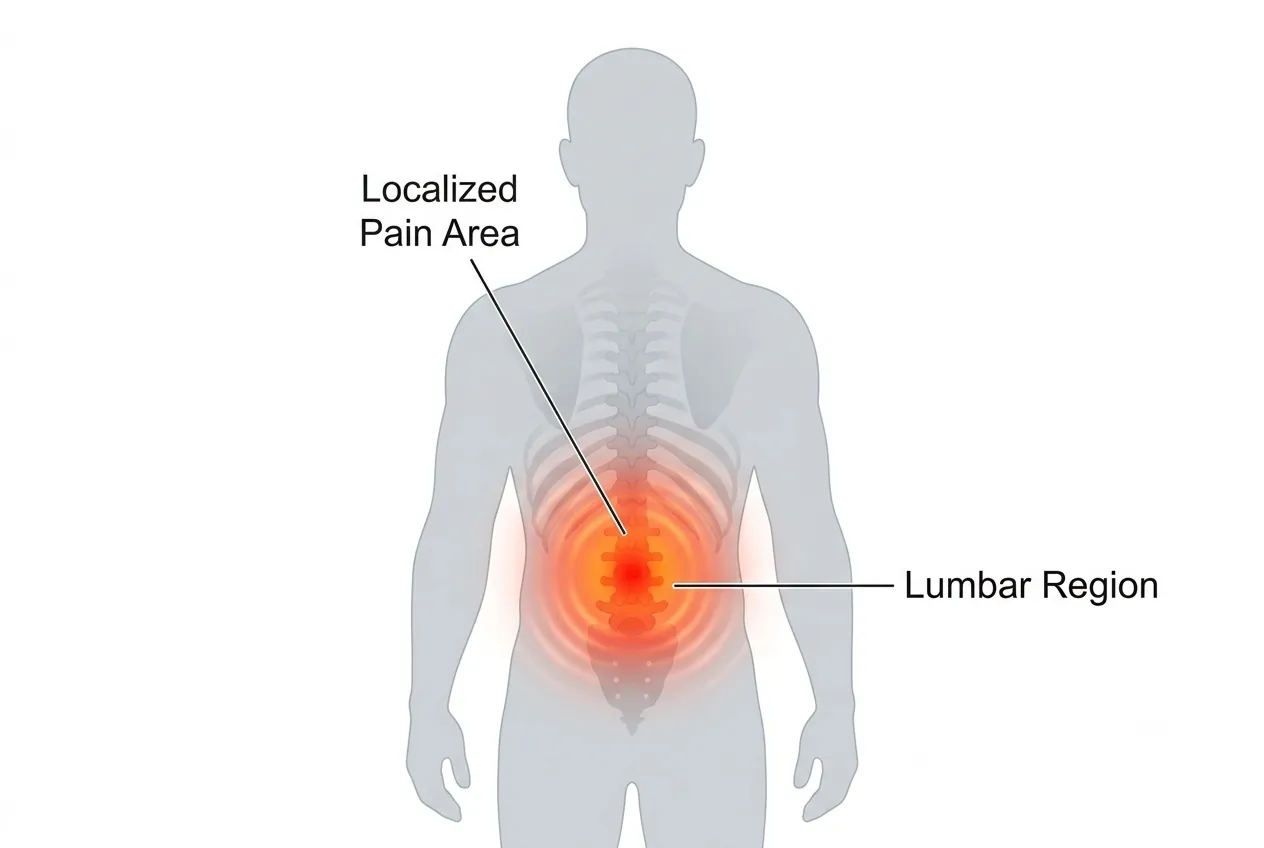
Back pain is one of the most common reasons people see a doctor — roughly three in four adults experience it at some point. It isn't a disease in itself; it's a symptom that can come from the spine's bones, discs, and nerves, from the surrounding muscles, or occasionally from organs elsewhere in the abdomen and pelvis referring pain to the back. It can also spread into the hips. Most episodes settle on their own, but persistent or unusual pain deserves a proper look.
Common Causes
Almost any structure in the spinal column can be a source of back pain:
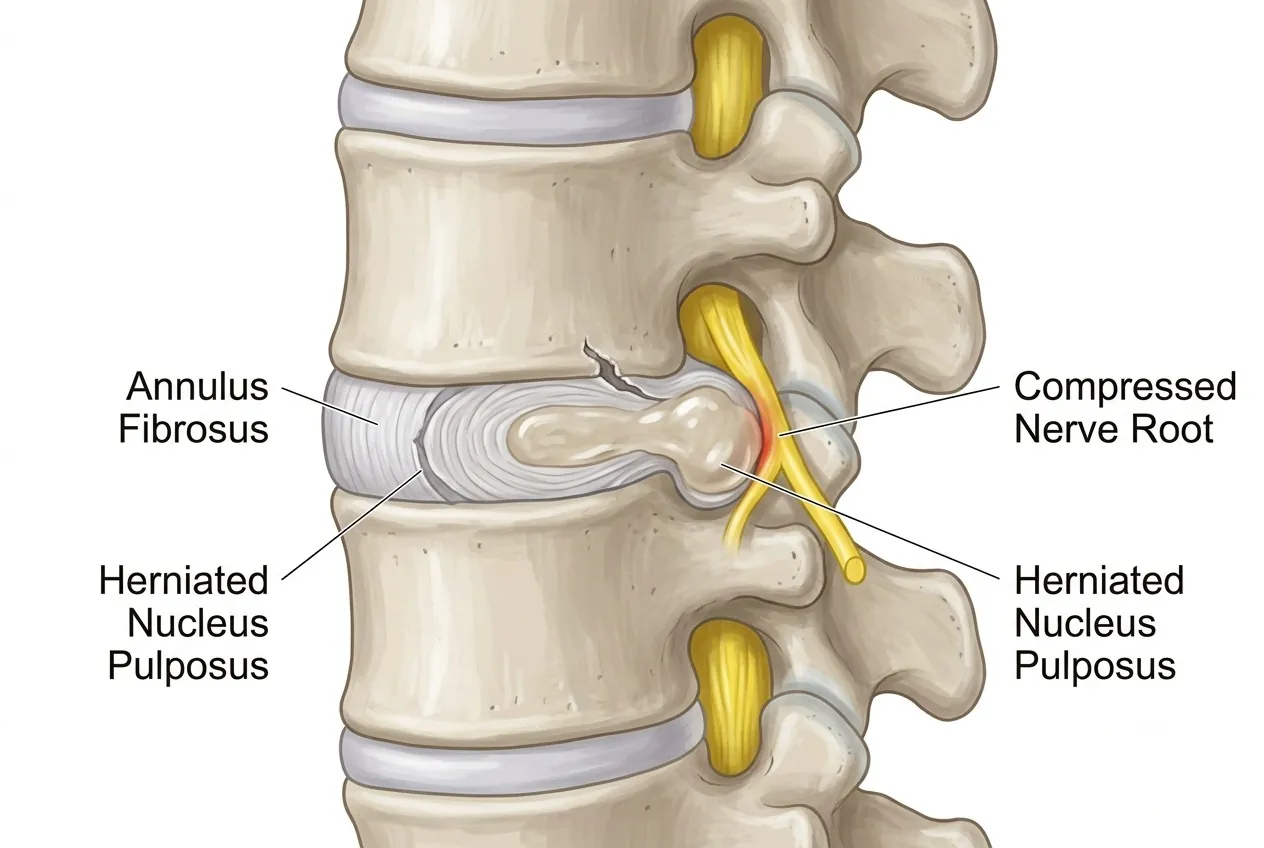
- Slipped disc (lumbar disc herniation) — the soft inner core of a disc pushes through a tear in its tougher outer layer and presses on a nearby nerve.
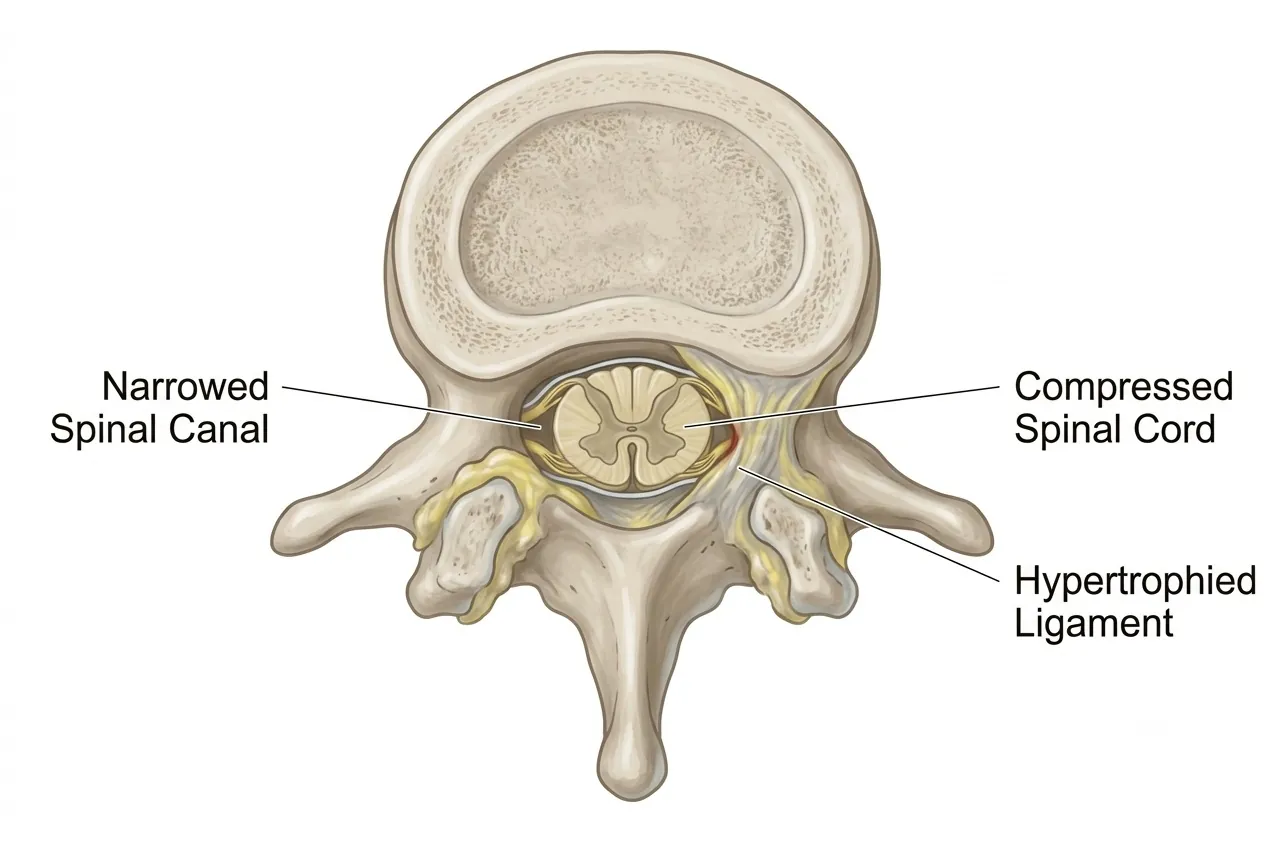
- Spinal stenosis — narrowing of the spinal canal that compresses the nerves running through it.
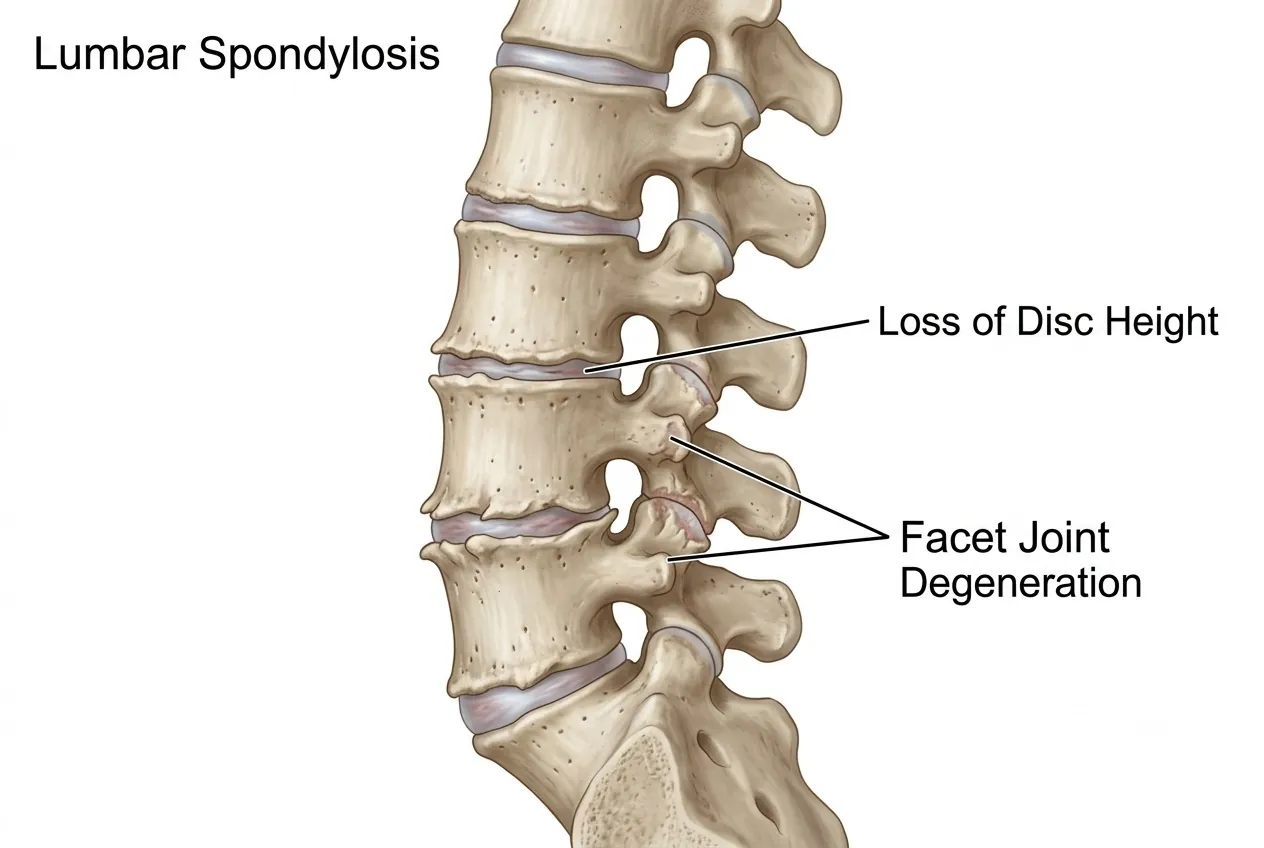
- Lumbar spondylosis — general age-related wear of the discs and facet joints.
- Spondylolysis — a stress fracture in a vertebra, often seen in young athletes.
- Spinal cord anomalies — congenital conditions such as a tethered cord or a split spinal cord, usually identified early in life.
- Spinal deformities — scoliosis and kyphosis alter the spine's alignment and loading.
- Vertebral pathology — fractures, infections such as spinal tuberculosis, and tumours.
- Osteoporosis — reduced bone density that raises the risk of vertebral fractures.
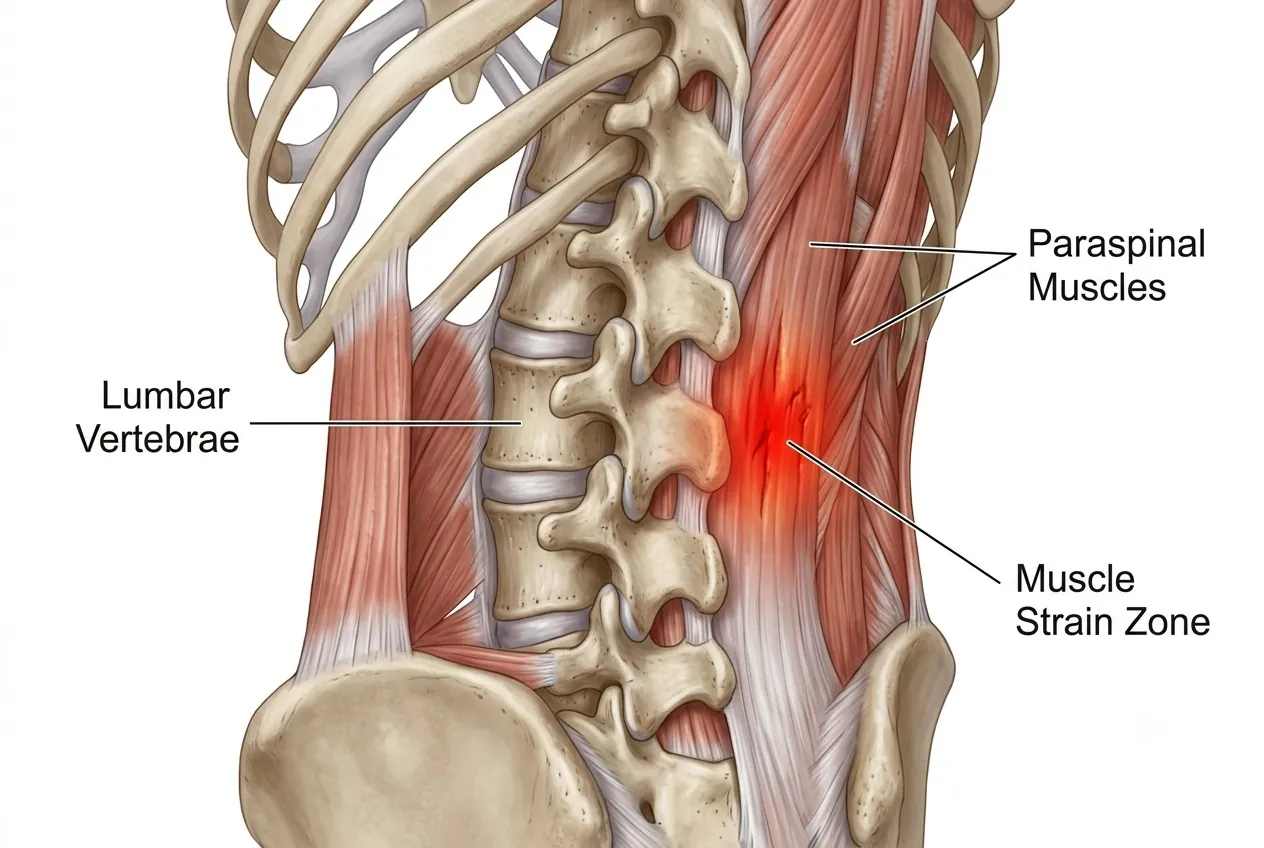 Enlarge image: Anatomy related to common causes of back pain
Muscle-Related Pain
Muscle spasm is one of the most frequent causes of back pain on its own:
- Protective tightening — when a spinal structure is injured, nearby muscles tighten as a natural brace, and this guarding can persist as chronic pain even after the original problem has settled.
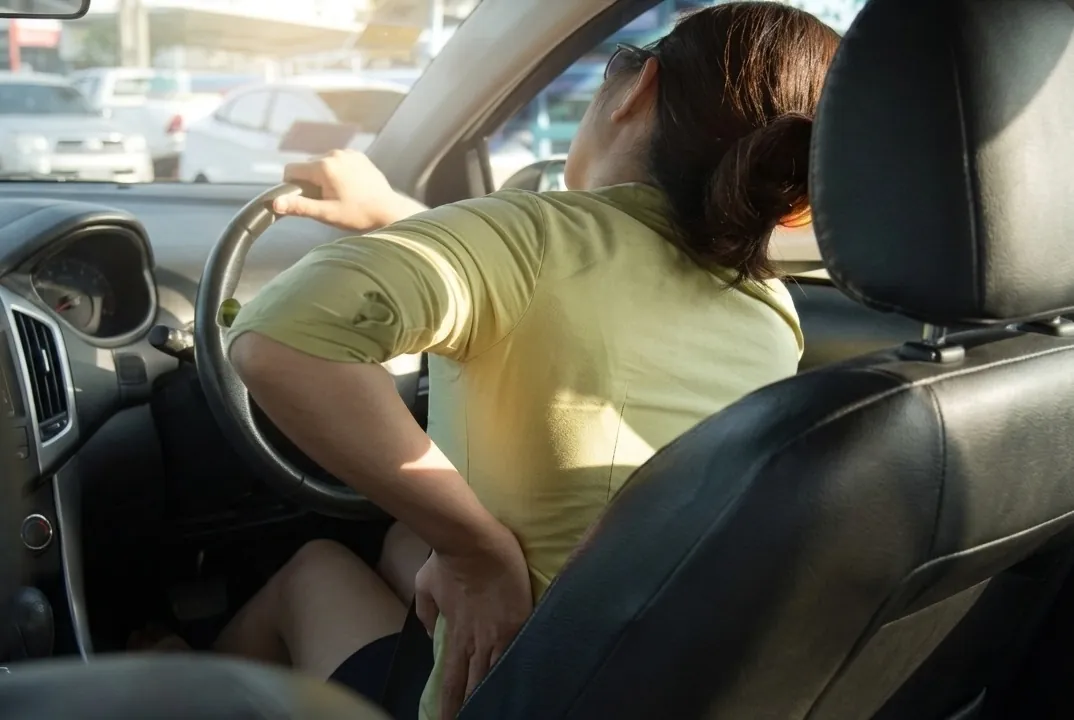
- Poor posture — long hours of sitting, especially with poor posture, gradually strains the supporting muscles.
- Uneven loading from deformity — an asymmetric spine forces some muscles to overwork.
- Heavy lifting and sport — strenuous or poorly-executed activity can strain muscles and ligaments directly.
Referred Pain From Other Organs
Occasionally, back pain doesn't originate in the spine at all — it's referred from nearby organs:
- Kidney disorders — kidney stones or infections often present as lower back pain.
- Pancreatic disease — inflammation of the pancreas can cause pain felt in the mid-back.
- Uterine and bladder conditions — some gynaecological or urological issues present with back pain as a leading symptom.
Risk Factors
- Age — degenerative spinal changes become more common over time.
- Obesity — extra weight increases mechanical stress and accelerates degeneration.
- Physical inactivity — weaker core and back muscles are more prone to strain.
- Heavy physical work — repeated strenuous exertion speeds up wear and tear.
- Psychological stress — anxiety and low mood can amplify how pain is perceived.
- Smoking — reduces blood supply to the discs, slowing healing and raising osteoporosis risk.
2-minute self-check
Do your symptoms deserve a closer look?
Tick anything you've noticed recently. Your guidance appears straight below. Everything stays on this page; nothing is stored or sent. This is an educational aid, not a diagnosis of back pain.
Seek urgent medical care today
These symptoms can mean a nerve or the spinal cord is under serious pressure. Go to the nearest emergency department, or call the clinic straight away. Do not wait for a routine appointment.
Book a spine specialist review soon
Arrange an assessment within the next few days, and sooner if things get worse. If you already have an MRI, you can send it for review.
Conservative care is usually a reasonable start
Activity changes, physiotherapy and appropriate medication often help. See a doctor if it is not better in 1–2 weeks, or straight away if any time-sensitive symptom appears.
Guidance only, based on the warning signs described in this guide. It cannot find the cause of your symptoms. If symptoms are severe, getting worse quickly, or you are worried, contact a doctor.
When to Seek Medical Attention
Get it checked if:
- Pain persists beyond 1–2 weeks of reasonable self-care
- Pain radiates down the leg with tingling or numbness (sciatica)
- There's new weakness, numbness, or a change in bladder or bowel control
- Fever accompanies the pain, suggesting possible infection
- Pain follows a significant fall or injury
- You have a prior history of cancer
New weakness, numbness around the groin, or loss of bladder or bowel control needs urgent same-day assessment.
How It Is Diagnosed
A careful history and physical exam usually points to whether imaging is even needed.
Imaging & lab tests that may be used
- X-ray — assesses bone alignment and structure
- MRI — shows discs, nerves, and soft-tissue detail
- CT scan — detailed bone imaging, useful for suspected fractures
- EMG/NCV — checks how well the nerves are conducting signals
- Blood tests — screens for infection, tumour, or metabolic causes
- DEXA scan — measures bone density to assess osteoporosis risk
- Ultrasound or other scans — used if an abdominal cause is suspected
Treatment
Treatment is matched to how severe and persistent the pain is:
Self-care for mild pain
- Heat or cold therapy to reduce pain and inflammation
- Topical pain-relieving gels or ointments
- Gentle massage to relax tight muscles
- Lumbar support belts for extra support during daily activity
- Over-the-counter pain relievers such as paracetamol
Medical treatment
- Stronger prescription pain medication for better control
- Muscle relaxants to ease spasm
- Nerve-pain medication such as pregabalin or gabapentin for nerve-related symptoms
- Physiotherapy to strengthen the back and restore mobility
Advanced & interventional options
- Spinal injections — corticosteroid injections to reduce inflammation around an irritated nerve
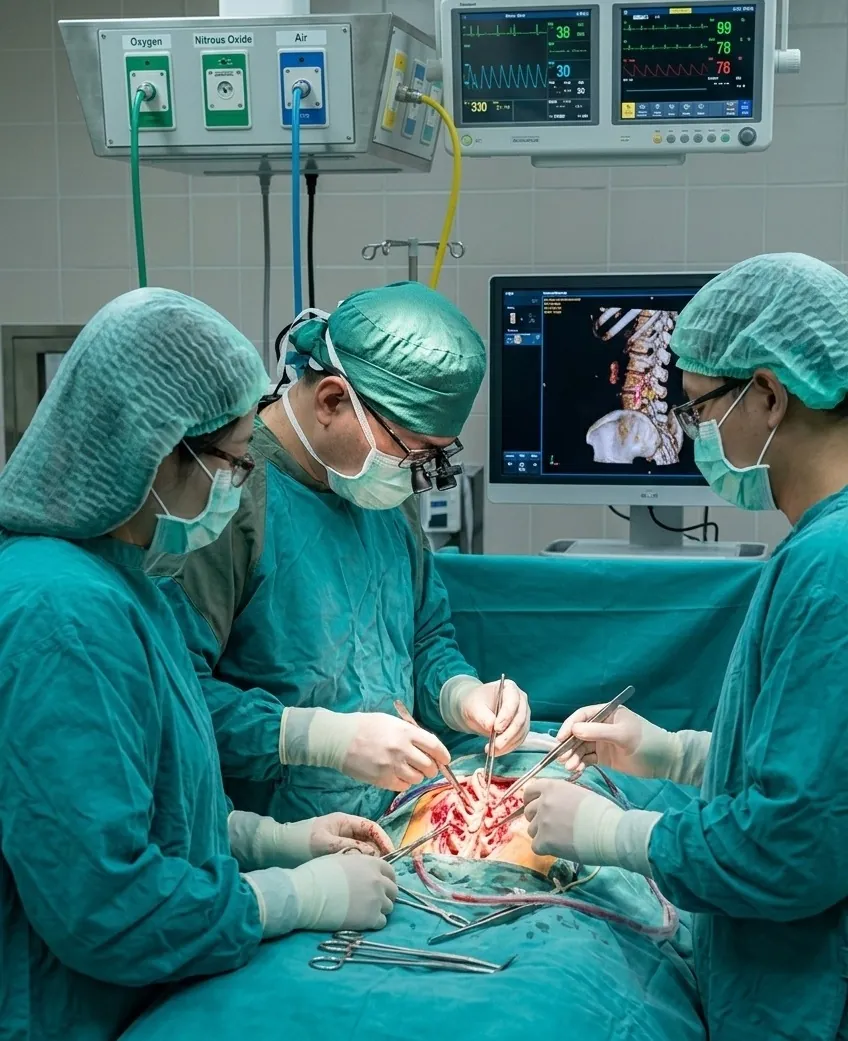
- Decompression surgery — for cases of significant nerve compression that hasn't responded to conservative care
- Spinal fusion — considered when there's genuine instability or deformity alongside the pain
Most back pain resolves with self-care and time. A combination of good posture, regular exercise, healthy weight, and not smoking goes a long way toward preventing it from recurring — but persistent or worsening pain is always worth a proper specialist evaluation rather than months of guessing.
This article is general education written by Dr. Amit Sharma. It is not a diagnosis or a substitute for an in-person consultation. If you have sudden weakness, numbness in the groin or saddle area, or new bladder or bowel problems, seek emergency care.