Being advised to have screws, rods, cages or a spinal fusion naturally raises questions. Instrumentation is not required for every spine operation. Its purpose is to restore or maintain stability when decompression alone would leave the spine unstable, when abnormal movement is itself painful, or when alignment must be corrected.
Decompression vs Instrumentation
| Procedure | Main purpose | What is done |
|---|---|---|
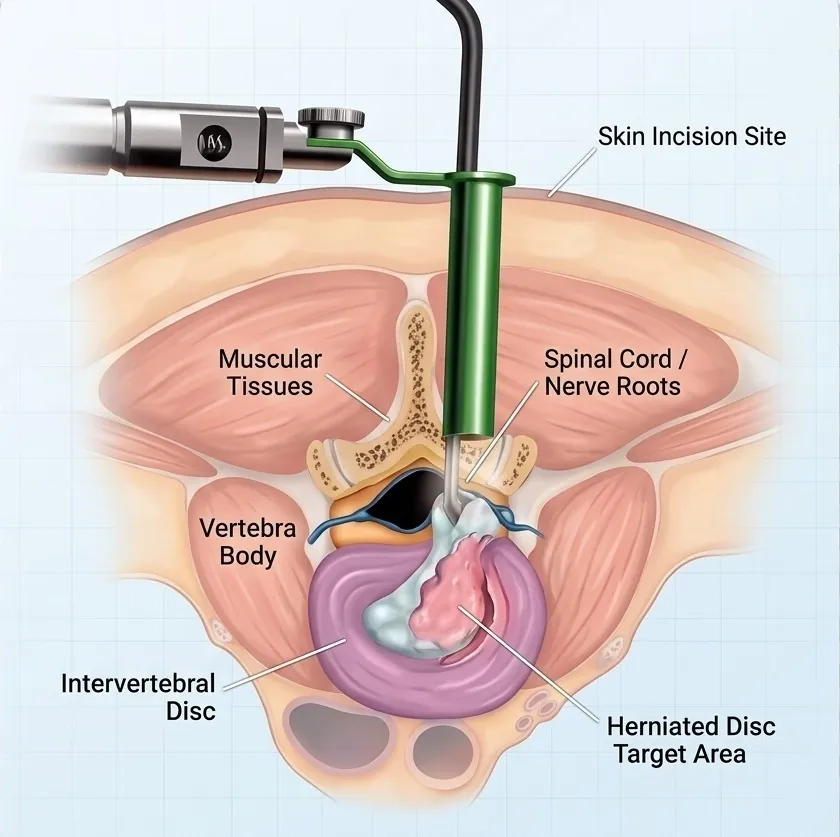
| Decompression | Relieve pressure on nerves or the spinal cord. | Disc, bone or ligament causing compression is selectively removed. |
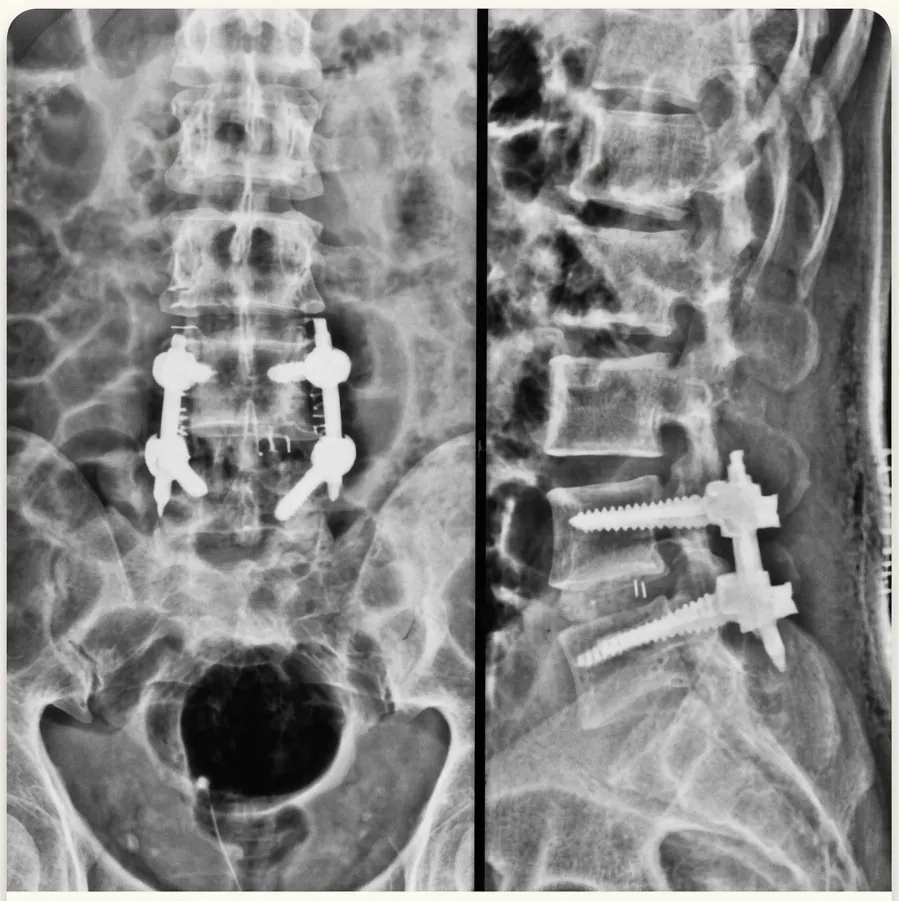
| Instrumentation / fusion | Stabilize or realign the spine. | Screws, rods, cages or plates hold vertebrae while bone fusion develops. |
Many disc herniations and stenosis operations need decompression only. Fusion is added when stability cannot be reliably preserved or when instability/deformity is already part of the disease.
Why Is Fusion Sometimes Necessary?
Common reasons for instrumentation
- Painful abnormal motion: instability from a severely degenerated segment can generate chronic mechanical pain; fusion removes movement at that level.
- Spondylolisthesis: instrumentation can realign and secure a slipped vertebra.
- Fracture, infection or tumor: structural damage may require reconstruction and stabilization.
- Scoliosis or kyphosis: implants can help correct and maintain spinal alignment.
- Instability after decompression: removing substantial supporting bone or ligament can make stabilization necessary.
- Extensive or multilevel decompression: fusion may prevent collapse or shifting when supporting structures cannot be preserved.
Fusion should have a specific reason
The presence of back pain or an abnormal MRI alone does not automatically mean screws are needed. Symptoms, imaging, spinal stability, alignment, bone quality and the planned decompression all matter.
Potential Benefits of Instrumentation
- Long-term stability: once solid fusion occurs, pathological movement at that segment is eliminated.
- Improved alignment: deformity or vertebral slippage can be corrected and maintained.
- Support after decompression: stabilization can preserve the space created around nerves when decompression would otherwise destabilize the segment.
Drawbacks and Risks
What changes when fusion is added?
- Greater cost and operative complexity: implants add expense and surgery may take longer; some patients require a longer admission.
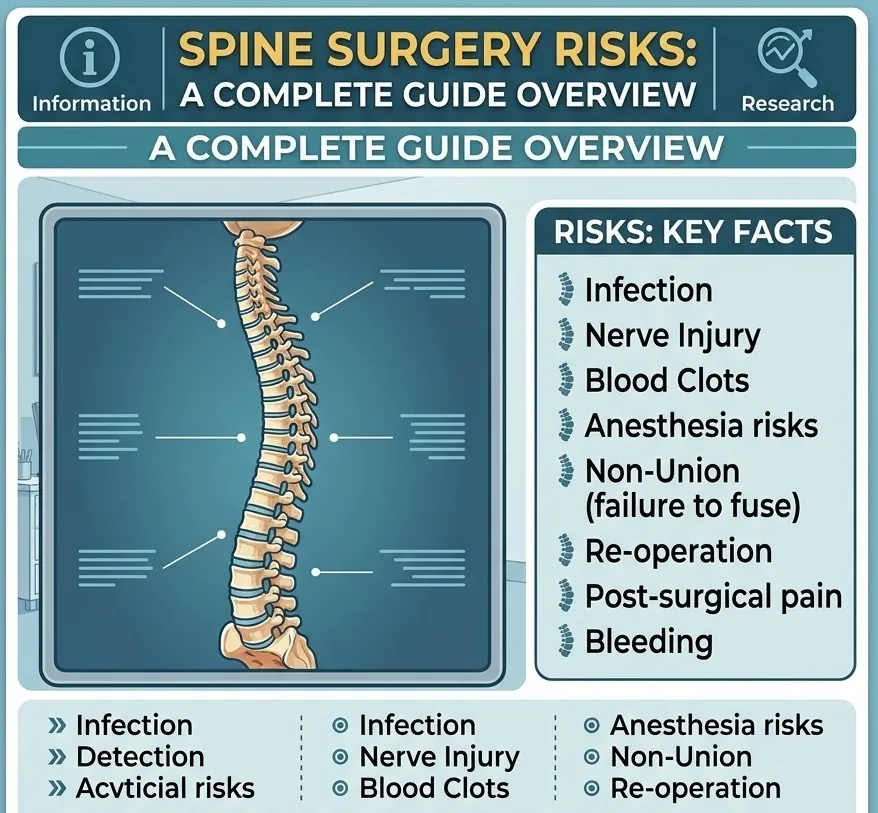
- Fusion must heal: failure of bone union can lead to persistent pain or implant loosening/breakage and occasionally revision surgery.
- Adjacent-segment wear: the fused level no longer moves, and neighboring levels may experience altered mechanical stress over time.
- Stiffness or local discomfort: loss of motion at a fused segment and local tissue response can be noticeable in some patients.
When Instrumentation May Be Avoided or Modified
Factors that can change the plan
- Severe osteoporosis: fragile bone may not provide reliable screw purchase and requires bone-health optimization or a modified fixation strategy.
- Active infection: the organism, extent of infection and stability determine whether implants are appropriate; instrumentation can still be used in selected spinal infections when stabilization is necessary.
- Poorly controlled diabetes: elevated glucose increases wound and infection risk and should be optimized when possible.
- Severe medical illness or malnutrition: impaired healing may make a smaller operation safer when it can adequately treat the problem.
- Long multilevel fusion: especially in the lumbar spine, fusing many segments sacrifices more motion and therefore requires a strong indication such as deformity, instability, fracture or tumor.
Making the Decision
When fusion is recommended, ask what instability or deformity the implants are treating, what would happen with decompression alone, how many levels need fusion, and what alternatives are reasonable. Differences between surgeons can occur because operative strategies and thresholds for fusion vary.
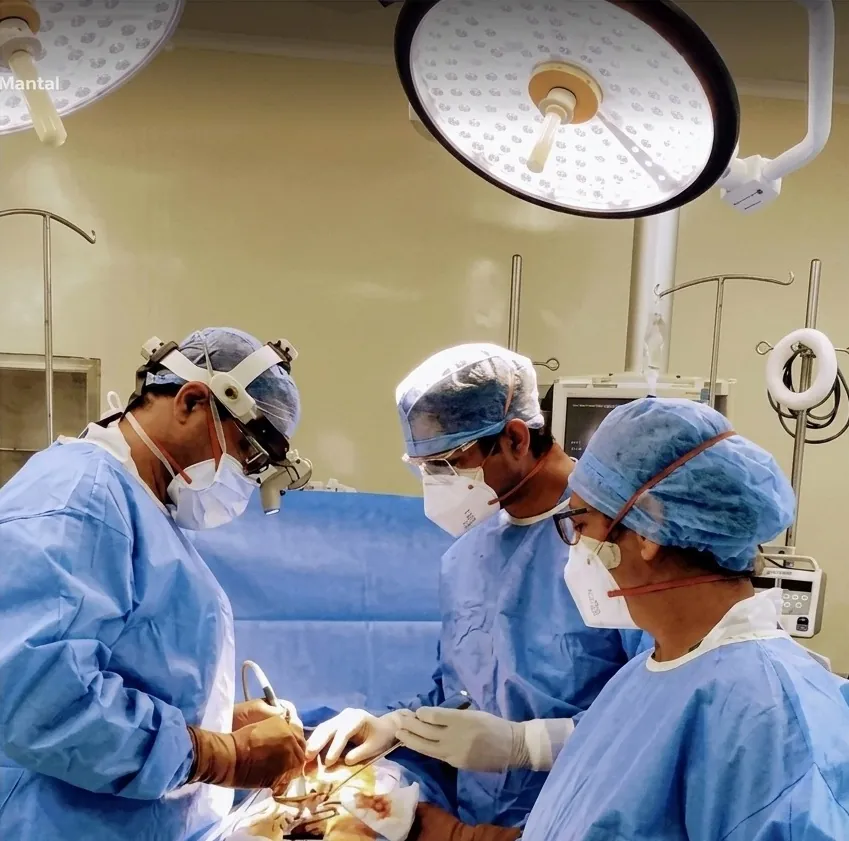
Navigation, robotic guidance and minimally invasive techniques can assist accurate implant placement and reduce tissue disruption in suitable cases, but technology does not replace correct indication and careful planning.
The key question
Do not judge an operation simply by whether it uses implants. The important issue is whether stabilization is necessary to solve the underlying mechanical problem safely and durably.
This article is general education written by Dr. Amit Sharma. It is not a diagnosis or a substitute for an in-person consultation.