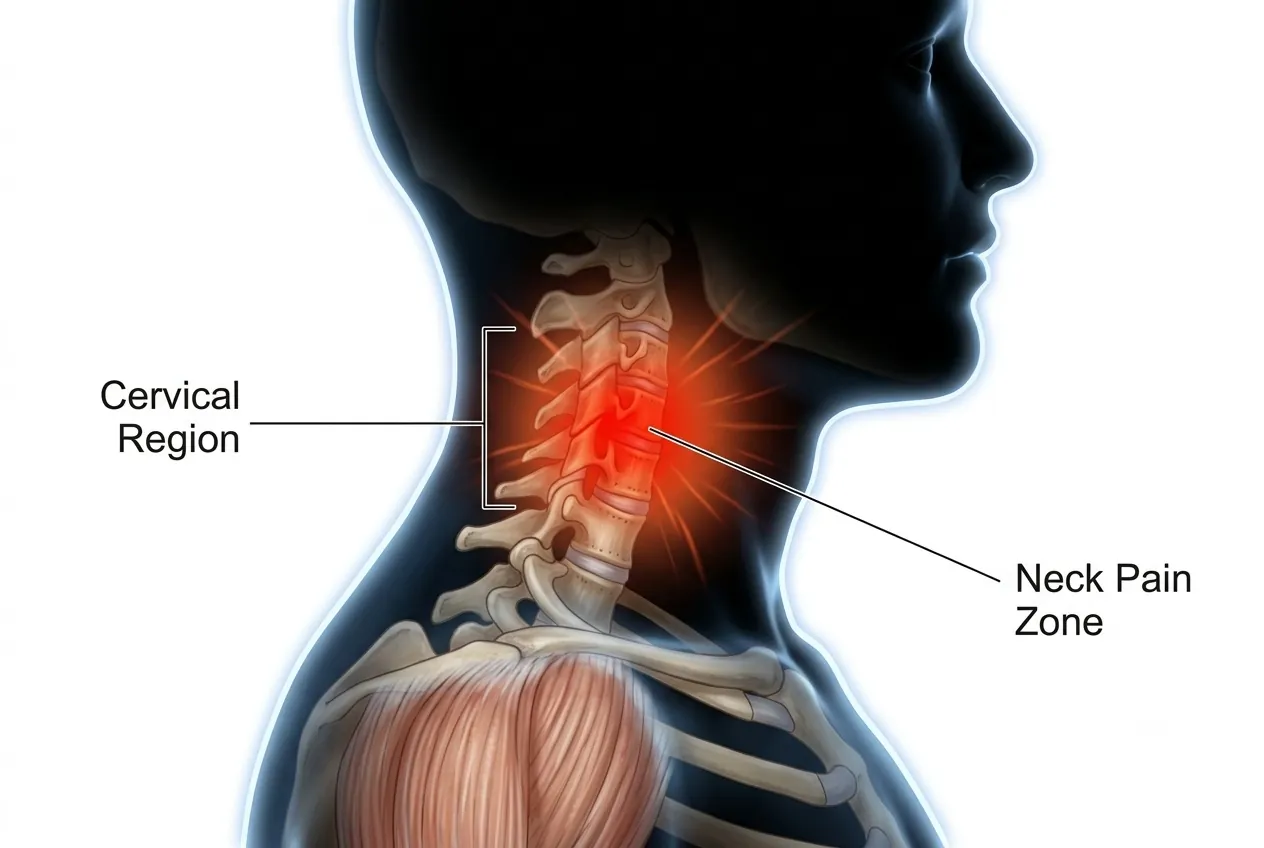
Introduction
Neck pain is a frequent problem that can interfere with work, sleep, exercise and everyday activities. It commonly develops from muscular strain or age-related wear in the cervical spine, although injuries and disorders affecting discs, joints, nerves or the spinal cord can also be responsible.
The discomfort may remain confined to the neck or be felt in the upper back, shoulder blade or head. Some patients describe associated headache or pain around the ear. When a cervical nerve is irritated or compressed, pain can travel through the shoulder and down the arm and may be accompanied by tingling, numbness or weakness.
Causes of Neck Pain
Neck pain does not have a single cause. Identifying whether the problem originates from the cervical spine, muscles or a nearby structure is important because treatment depends on the underlying diagnosis.
Spinal Causes
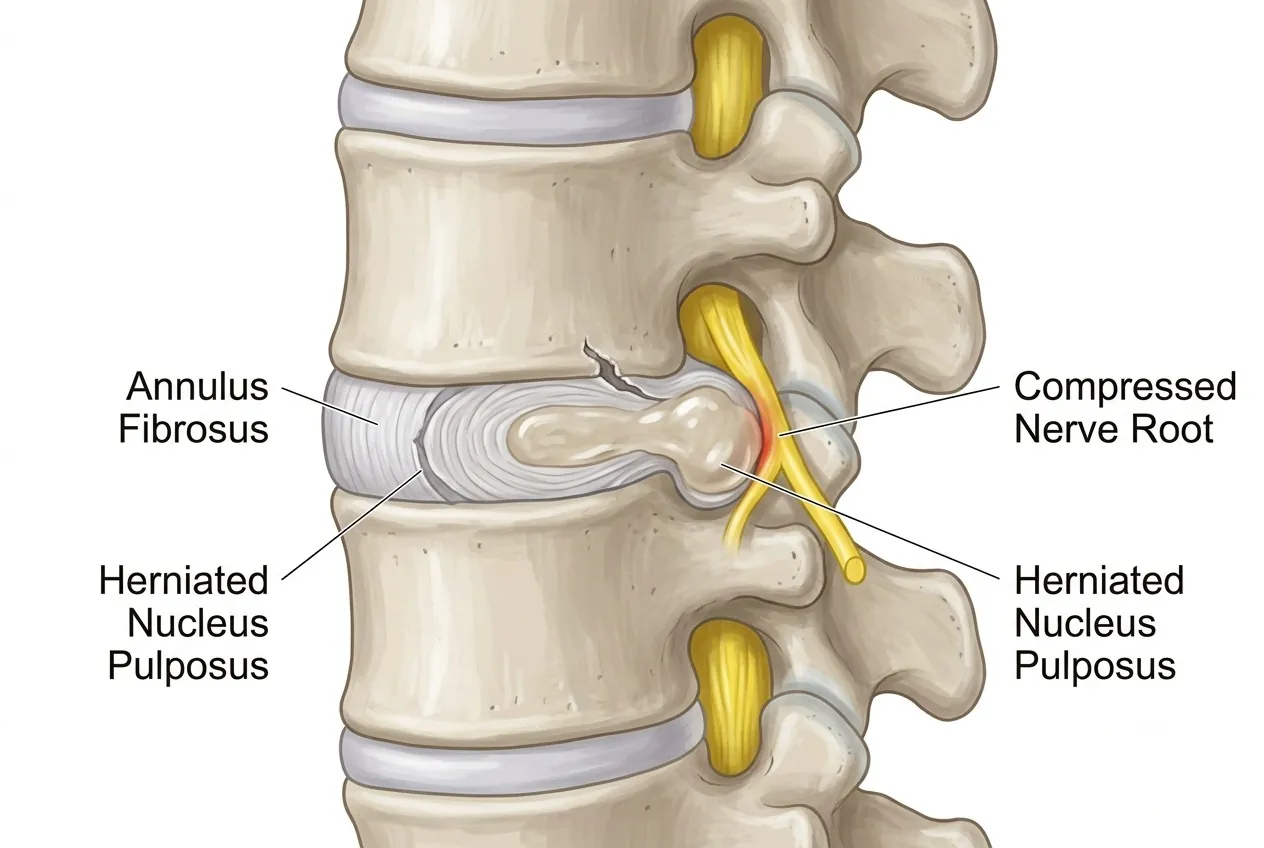
- Cervical disc herniation (slipped disc): a bulging or herniated cervical disc may irritate or compress a nerve and produce neck pain, arm pain or weakness.
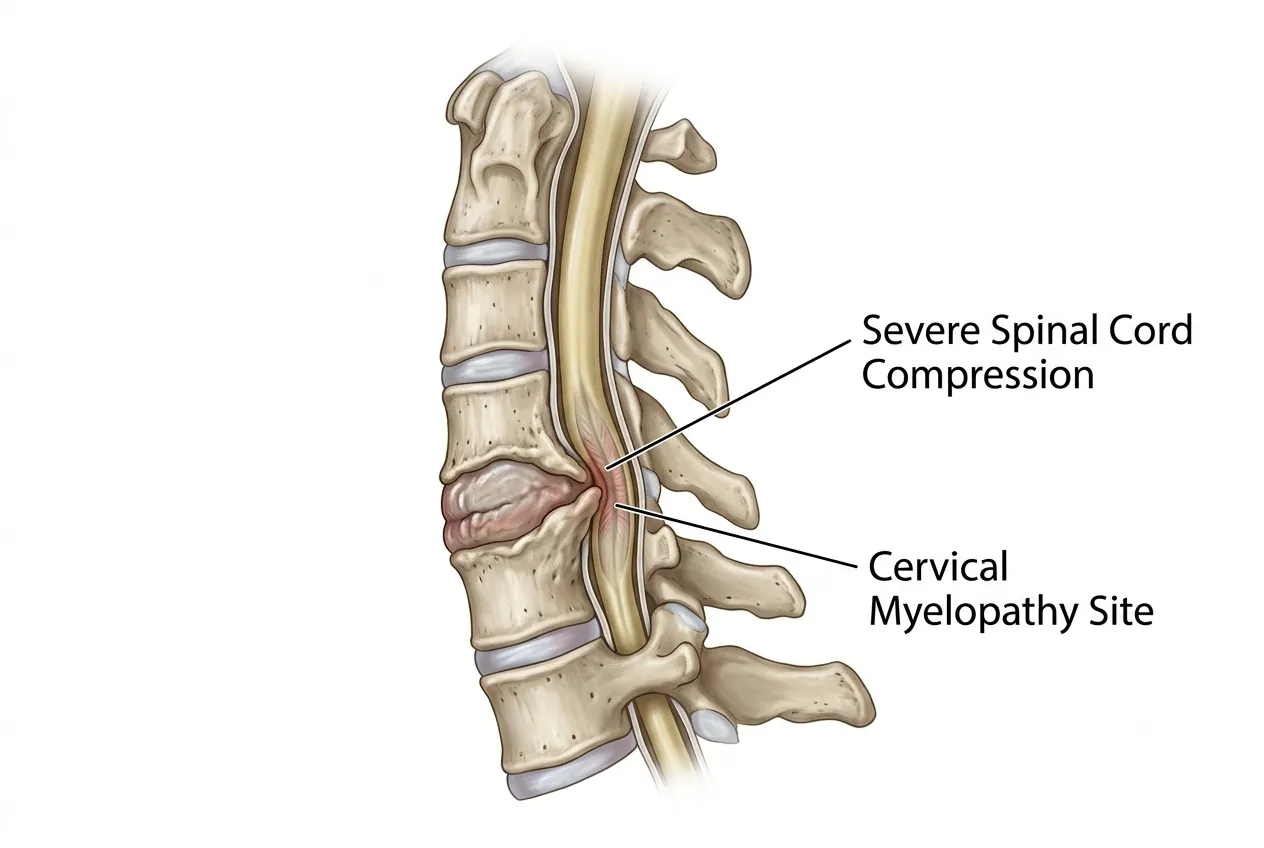
- Cervical spinal stenosis: narrowing of the spinal canal can place pressure on neural structures.
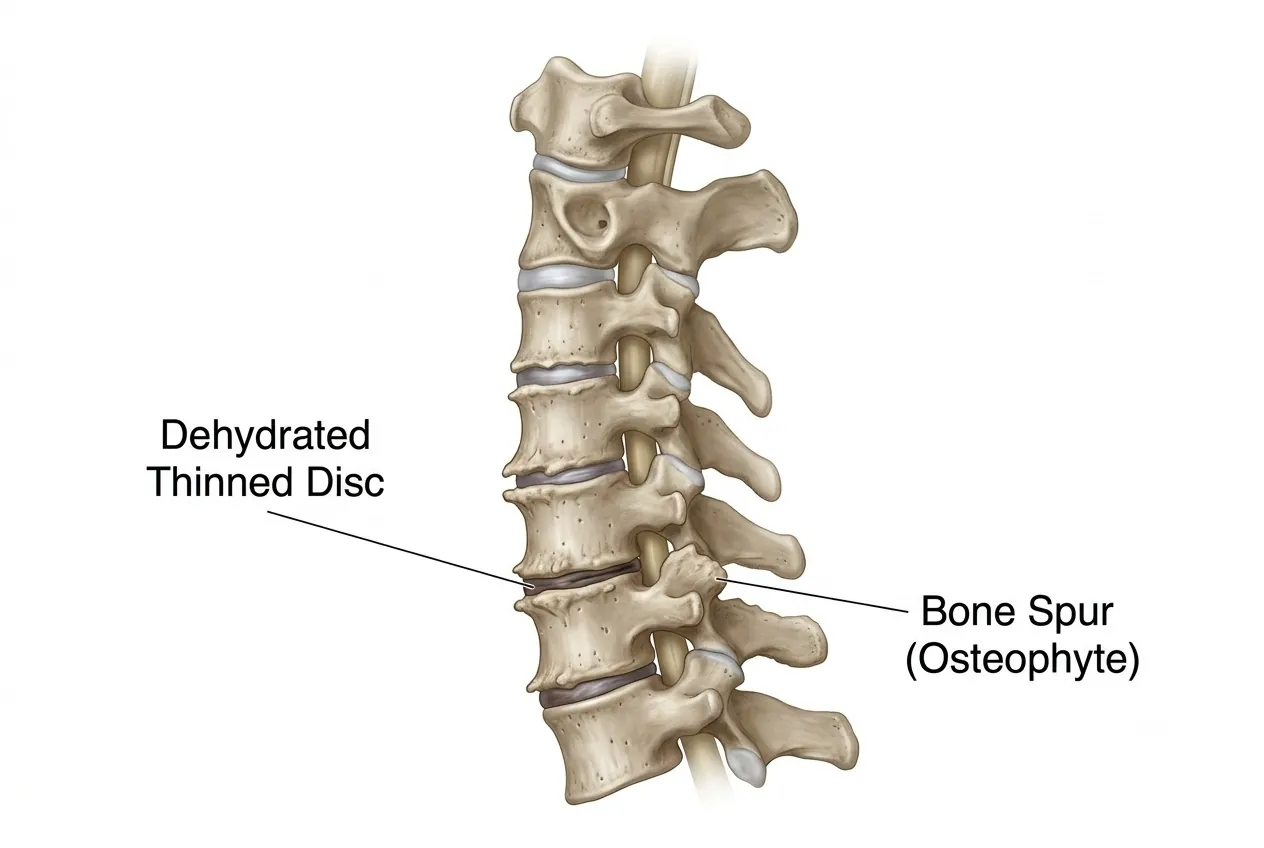
- Cervical spondylosis: age-related degeneration can involve the discs, vertebrae and facet joints.
- Spinal cord abnormalities: conditions described as myelomalacia or a syrinx may be associated with persistent neurological and cervical symptoms.
- Spinal deformity: abnormal alignment, including scoliosis or kyphotic deformity, can alter mechanical loading.
- Vertebral disease: fractures, infection, tuberculosis and tumours are less common but important causes.
- Osteoporosis: reduced bone strength increases susceptibility to vertebral fracture.
Muscle Spasm and Mechanical Strain
- Protective muscle tightening: muscles may contract around an injured spinal structure as a protective response, and persistent spasm can itself become painful.
- Poor posture: prolonged sitting and sustained awkward neck positions can overload cervical muscles.
- Spinal deformity: uneven alignment can create unequal muscle loading and overuse.
- Heavy lifting and sports: strenuous or sudden activity can strain muscles and ligaments.
Pain From Nearby Structures
- Inflamed or infected lymph nodes
- Thyroid disorders
- Infections involving structures such as the tonsils or trachea
- Cardiac conditions that may produce referred discomfort
- Neurological infections such as meningitis
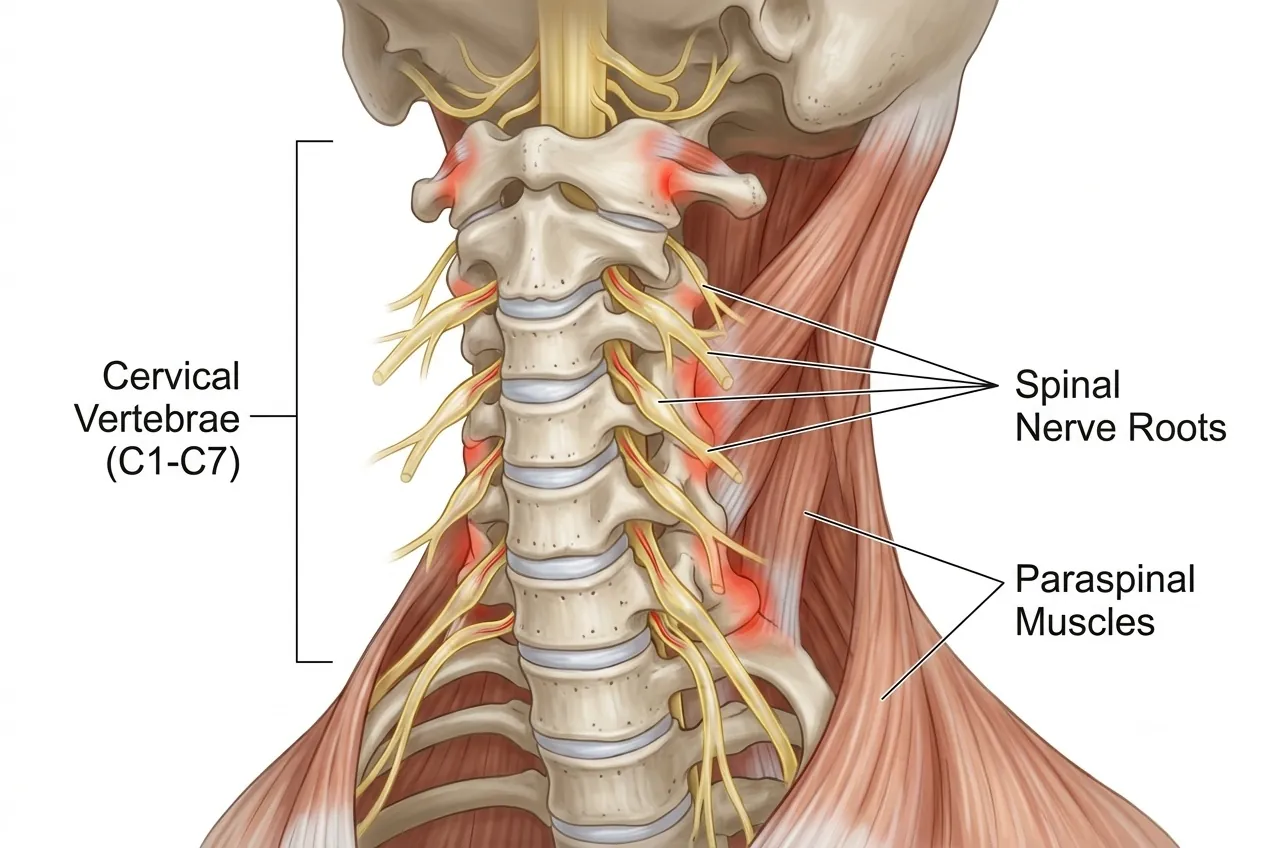 Enlarge image: Cervical spine anatomy associated with neck pain
Risk Factors for Neck Pain
- Age: degenerative cervical changes such as spondylosis become more common with increasing age.
- Excess body weight: additional mechanical load and associated health factors may contribute to spinal stress.
- Physical inactivity: poor conditioning can leave supporting muscles less able to tolerate repetitive loads.
- Heavy physical work or sports: repeated loading may increase muscular and joint strain.
- Psychological stress: stress, anxiety and low mood can be associated with increased muscle tension and persistent pain.
- Smoking: smoking can impair tissue health and healing and is associated with spinal degeneration.
Prevention of Neck Pain
Minor muscular neck pain often settles over several days. Regular conditioning and sensible daily habits can reduce recurrent strain and improve the neck's ability to tolerate routine activity.
- Exercise regularly: strengthen the neck, upper back and core while maintaining flexibility. Appropriate stretching or yoga may also help mobility and posture.
- Maintain a healthy weight: weight management reduces unnecessary mechanical load and supports overall health.
- Avoid smoking: stopping smoking supports circulation, tissue healing and long-term spinal health. People who find cessation difficult may benefit from professional support.
Healthy Lifestyle Practices
Posture, Lifting, Sleep and Phone Use
- Sitting: avoid remaining in one posture for prolonged periods. During long desk sessions, take periodic short breaks, move the neck and back, and position the computer screen close to eye level.
- Driving and prolonged sitting: appropriate cervical support may improve comfort for some patients.
- Lifting: keep loads close to the body and avoid attempting an unnecessarily heavy lift in one effort; divide loads when practical.
- Sleep: use a supportive mattress and a pillow that keeps the neck comfortably aligned. An excessively thick pillow can hold the neck in sustained flexion.
- Chronic neck pain: some patients find a suitably selected cervical pillow helpful.
- Phone use: avoid prolonged downward neck bending. For long calls, headphones or a hands-free device can reduce sustained positioning, and prolonged phone use while lying in awkward positions should be avoided.
Treatment of Neck Pain
Many episodes of uncomplicated neck pain improve with conservative care. Depending on the cause and the patient's medical history, early measures may include local heat or cold, topical analgesic preparations, gentle massage, temporary modification of strenuous activity and appropriate pain relief.
A cervical pillow or short-term cervical support may be recommended in selected situations, but collars should not be used routinely or for prolonged periods without medical advice because unnecessary immobilisation can contribute to stiffness and muscle deconditioning.
Persistent symptoms may require prescription treatment. A spine specialist may consider stronger analgesics, medication for muscle spasm, or medicines used for neuropathic pain such as pregabalin or gabapentin when clinically appropriate. Physiotherapy can address mobility, posture, muscle strength and flexibility.
2-minute self-check
Do your symptoms deserve a closer look?
Tick anything you've noticed recently. Your guidance appears straight below. Everything stays on this page; nothing is stored or sent. This is an educational aid, not a diagnosis of neck pain.
Seek urgent medical care today
These symptoms can mean a nerve or the spinal cord is under serious pressure. Go to the nearest emergency department, or call the clinic straight away. Do not wait for a routine appointment.
Book a spine specialist review soon
Arrange an assessment within the next few days, and sooner if things get worse. If you already have an MRI, you can send it for review.
Conservative care is usually a reasonable start
Activity changes, physiotherapy and appropriate medication often help. See a doctor if it is not better in 1–2 weeks, or straight away if any time-sensitive symptom appears.
Guidance only, based on the warning signs described in this guide. It cannot find the cause of your symptoms. If symptoms are severe, getting worse quickly, or you are worried, contact a doctor.
When to Consult a Spine Specialist
Neck pain that remains significant despite initial care, particularly when it persists for approximately one to two weeks, deserves assessment. Earlier evaluation is appropriate when concerning symptoms or risk factors are present.
- Persistent or worsening pain despite reasonable home measures
- Pain radiating into an arm, especially with numbness, tingling or weakness
- Balance difficulty, altered walking, hand clumsiness or symptoms affecting both arms or legs that may suggest spinal-cord involvement
- Fever associated with neck pain
- Neck pain following significant trauma or a fall
- A known history of cancer with new or unexplained spinal pain
Diagnostic Tests
Assessment begins with the history and physical examination. Neck movement, muscle function, sensation, strength, reflexes and signs of nerve-root or spinal-cord involvement may be evaluated. Further investigations are selected according to the suspected cause rather than being required for every episode of neck pain.
- X-ray: provides baseline information about bones, alignment and degenerative changes.
- MRI: gives detailed information about discs, nerves, the spinal cord, joints and other soft tissues.
- CT scan: provides detailed assessment of bony anatomy.
- EMG/NCV: may be used when assessment of nerve function is required.
- Blood tests: may be requested when infection, systemic disease, tumour-related concerns or metabolic bone disease are suspected.
- Other investigations: depending on the clinical picture, tests such as DEXA for osteoporosis or investigations for non-spinal causes may be appropriate.
Advanced Treatment Options
If symptoms fail to improve with appropriate conservative treatment and investigations identify a significant structural cause, targeted interventions may be considered.
- Spinal injections: selected patients may benefit from procedures such as epidural steroid injections or facet-joint injections/blocks for appropriately diagnosed pain.
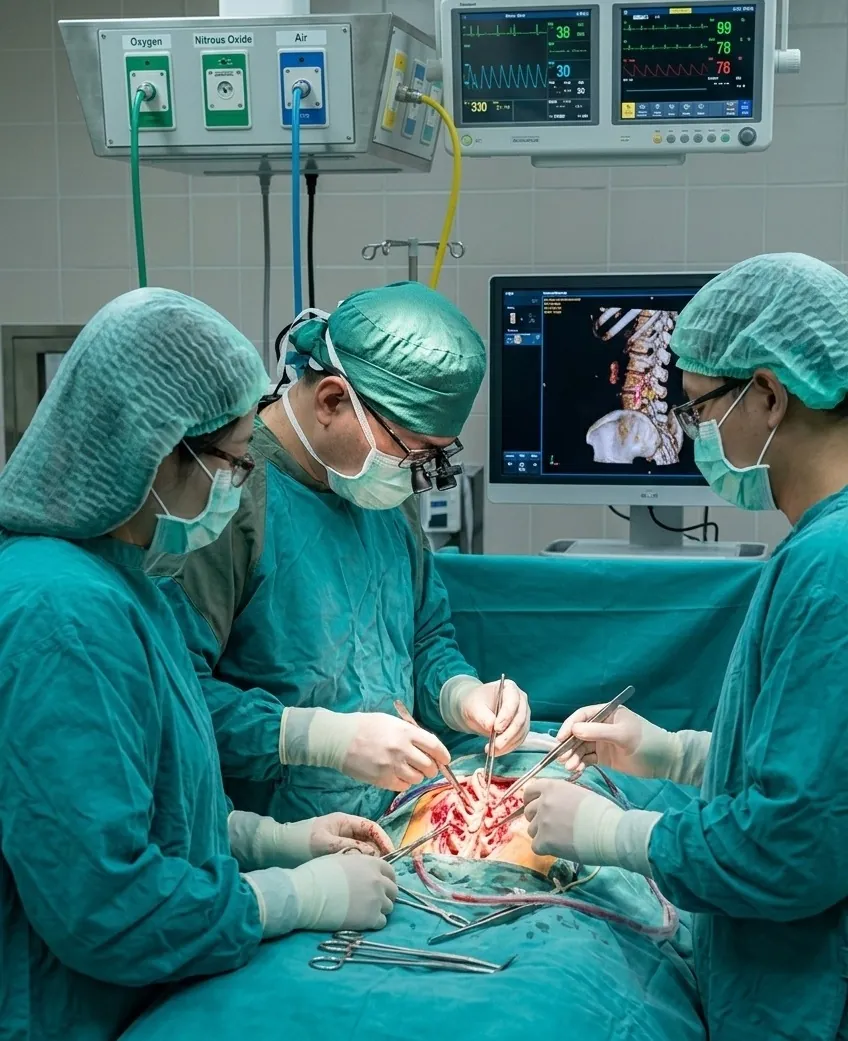
- Surgery: decompression, with or without spinal fusion, may be recommended when there is significant nerve or spinal-cord compression, instability or another condition for which surgery offers a clear benefit.
Most neck pain does not require surgery. The aim is to identify the cause, recognise neurological or other warning signs early and use the least invasive treatment that is appropriate for the condition.
Frequently Asked Questions
- Chin tucks: while sitting upright, gently draw the chin backward rather than forcefully bending the head down; hold briefly and repeat.
- Side tilts: gently move the ear toward the shoulder until a mild stretch is felt, then repeat on the other side.
- Neck rotations: slowly turn the head from side to side within a comfortable range.
- Shoulder rolls: roll the shoulders forward and backward to reduce upper shoulder tension.
- Upper trapezius stretch: gently tilt the head to one side to stretch the opposite upper shoulder and neck region without forcing the movement.
What exercises can help uncomplicated neck stiffness at home?
Gentle exercises may include chin tucks, controlled side tilts, slow neck rotations, shoulder rolls and an upper-trapezius stretch. Exercises should be comfortable and controlled. Stop and seek medical advice if an exercise causes significant radiating pain, numbness, weakness, dizziness or worsening symptoms.
Can neck pain be serious?
Yes, although most episodes are mechanical and improve with conservative care. Neck pain associated with significant trauma, fever, progressive weakness, balance problems, hand clumsiness, severe neurological symptoms or a history of cancer should be medically assessed.
What does a pinched nerve in the neck feel like?
Cervical nerve compression can cause pain travelling from the neck into the shoulder, arm or hand, often with tingling, numbness or weakness. The exact distribution varies according to the affected nerve root.
How should I sleep when my neck hurts?
A comfortable position that keeps the head and neck reasonably aligned is preferable. Avoid pillows that force the neck into marked flexion or extension. Pillow choice should support a neutral position rather than simply being very firm or very thick.
Which doctor should evaluate persistent cervical or neck-and-shoulder pain?
Persistent symptoms, neurological complaints or suspected cervical-spine disease can be evaluated by a clinician experienced in spine disorders. The appropriate specialist and investigations depend on the suspected cause.
How quickly can neck pain be cured?
There is no single medicine or home treatment that safely “cures” every type of neck pain immediately. Recovery depends on the cause. Simple muscular pain may improve over days, while disc, nerve, fracture, infection or spinal-cord problems require diagnosis-specific management.
This article is general education written by Dr. Amit Sharma. It is not a diagnosis or a substitute for an in-person consultation. If you have sudden weakness, numbness in the groin or saddle area, or new bladder or bowel problems, seek emergency care.