Recovery after spine surgery is not simply a period of rest. Wound protection, early safe movement, sensible activity restrictions, pain control and timely follow-up all contribute to healing. The exact plan varies with the procedure, whether fusion was performed, bone quality and the patient's general health.
Wound Care and Bathing
| Situation | Typical approach |
|---|---|
| Small/minimally invasive incision | The original dressing can often remain unless it becomes wet, loose or soiled. |
| Open surgery | A dressing may be changed before discharge; if a drain is used, the dressing is commonly changed when the drain is removed. |
| At home | Avoid unnecessary dressing changes. Sutures or staples are commonly reviewed/removed around 10–14 days when appropriate. |
| Bathing | A light shower may be permitted after several days if the surgeon allows it and the wound can be kept protected; sponge bathing is useful beforehand. |
Possible wound infection
Increasing redness, warmth, swelling, foul-smelling discharge, fever/chills or repeated/excessive bleeding should be reported promptly to the surgical team.
Mobilization, Household Work and Daily Activity
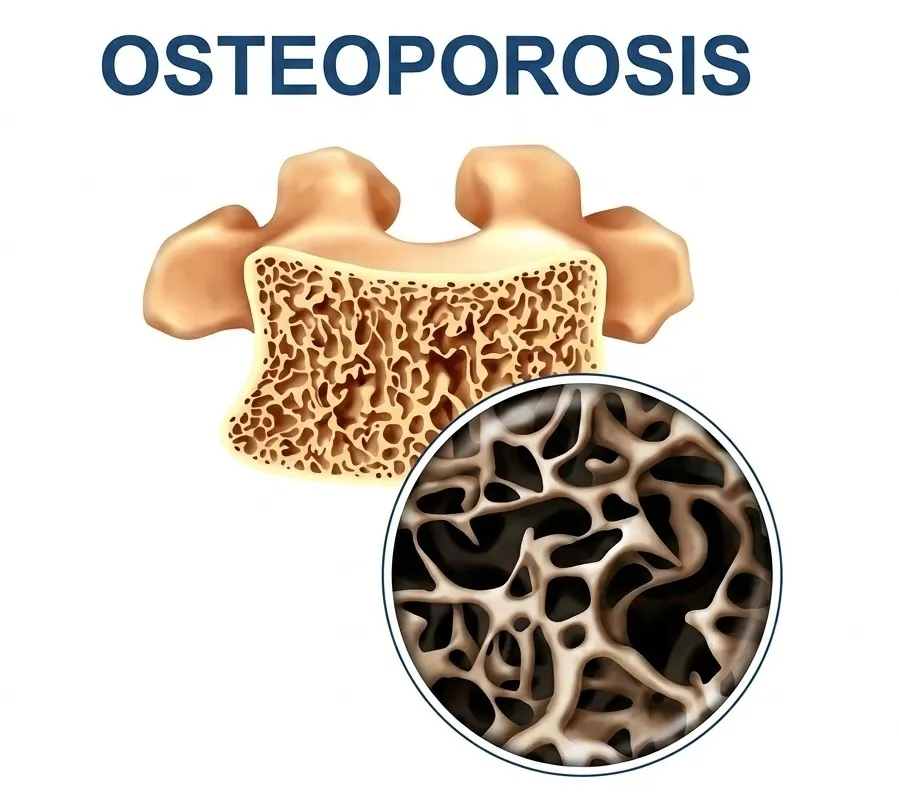
Prolonged bed rest is not routine after most modern spine operations. Many patients sit, stand and walk on the day of surgery or the following day, according to comfort and the surgeon's instructions. Modern fixation can permit early mobilization after fusion, although severe osteoporosis or another specific concern may require additional protection.
What is usually encouraged—and restricted?
- Usually encouraged as comfort permits: short walks, standing, sitting, stairs, local outings and light household tasks.
- Usually restricted initially: repeated forward bending, floor sitting, twisting, strenuous sport and heavy lifting.
- Typical protection period: often around 4–6 weeks, with longer restrictions after some fusion operations.
Return to Work
| Work type | General recovery pattern |
|---|---|
| Desk-based work | Some patients can resume within about 2 weeks if pain control and sitting tolerance are adequate. |
| Travel/moderate physical work | Often several weeks; decompression may permit earlier return than fusion. |
| Heavy manual work | Requires a longer individualized restriction period and surgeon clearance, especially after fusion. |
These are broad timelines rather than promises. Neurological recovery, wound healing, job demands and the exact surgery determine readiness.
Spinal Braces and Physiotherapy
A brace is not mandatory after every operation. It may be prescribed for selected fusion patients, poor bone quality or when additional external support is desirable. If prescribed, duration and wearing schedule should come from the surgeon rather than being extended indefinitely.
Physiotherapy is similarly individualized. Early care emphasizes safe walking, transfers and basic movement. Later rehabilitation can address flexibility, core and back strength, posture and return to normal activity. After fusion, strengthening may be delayed until the surgeon is satisfied with early healing.
Recovery is progressive, not passive
The goal is controlled return to movement—not prolonged bed rest and not an immediate return to unrestricted activity.
Pain Management and Nerve Recovery
Incisional pain and muscular soreness are expected early and usually improve progressively. Prescribed analgesics should be used as directed. New severe pain or a clear deterioration after initial improvement deserves reassessment rather than repeated self-medication.
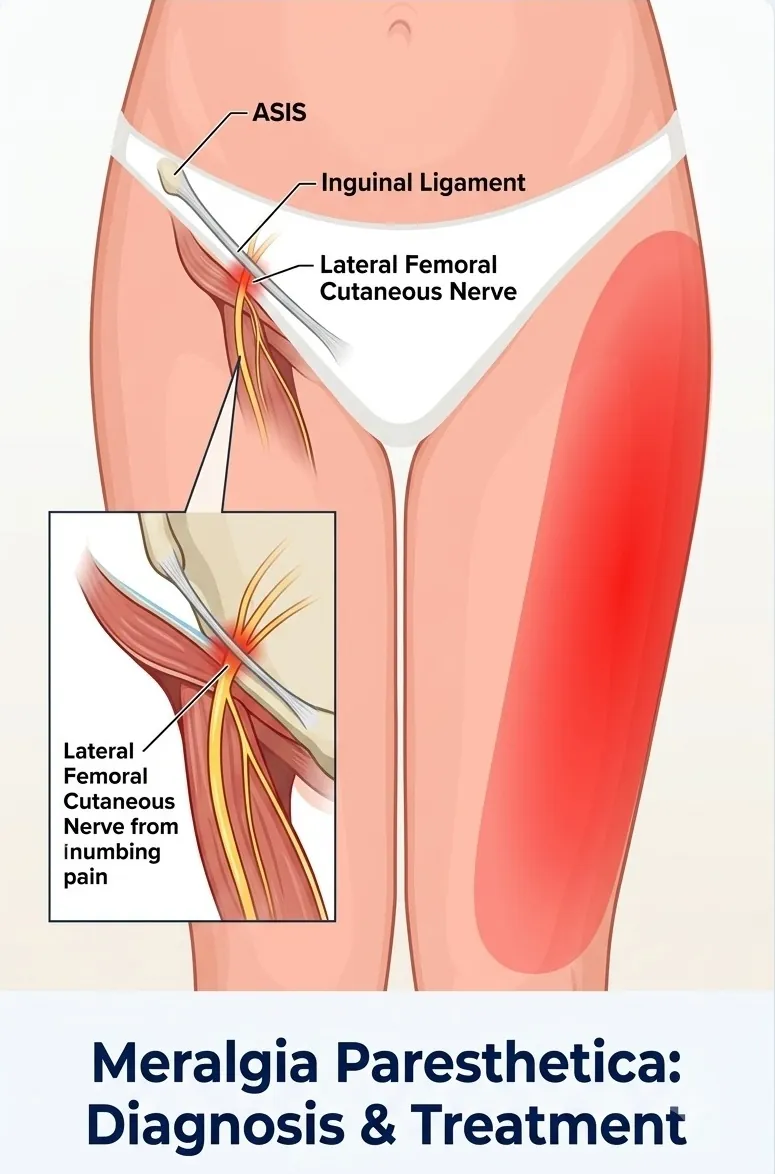
Nerve symptoms recover at a different pace. Shooting pain can improve quickly after decompression, while numbness, tingling or weakness may take weeks or months because an injured or compressed nerve needs time to recover. Long-standing nerve damage may not reverse completely.
Sleep Position, Travel and Toilet Use
Practical day-to-day guidance
- Sleep: back or side sleeping is generally comfortable; pillows can support the knees or between the legs. Avoid positions that twist or strain the operated area.
- Travel: short car journeys may be possible early when comfortable. Longer trips should include regular breaks to stand and walk; driving requires adequate mobility and freedom from sedating medication.
- Toilet: a western-style commode is generally easier during early recovery. Avoid deep squatting or floor-level toilets until cleared.
Follow-up and Imaging
Follow-up allows the surgeon to inspect the wound, review neurological recovery and progressively relax restrictions. Patients with implants or fusion may need X-rays to assess alignment, implant position and the progress of fusion. MRI or CT is usually reserved for a specific clinical question rather than performed routinely after every surgery.
When to Contact Your Spine Surgeon
Contact urgently
New or worsening weakness, bladder/bowel disturbance, breathing difficulty, high fever, major wound discharge or uncontrolled severe pain needs prompt medical attention.
Call the surgical team
Persistent wound redness/swelling, increasing drainage, new numbness or a recovery that is clearly moving backward should be reviewed.
Expected recovery
Gradually improving soreness, stiffness and fatigue are common; continue the prescribed plan and scheduled follow-up.
Successful recovery is a partnership between the operation and the weeks that follow. Protect the wound, move safely, respect temporary restrictions and use follow-up visits to increase activity step by step.
This article is general education written by Dr. Amit Sharma. It is not a diagnosis or a substitute for an in-person consultation.