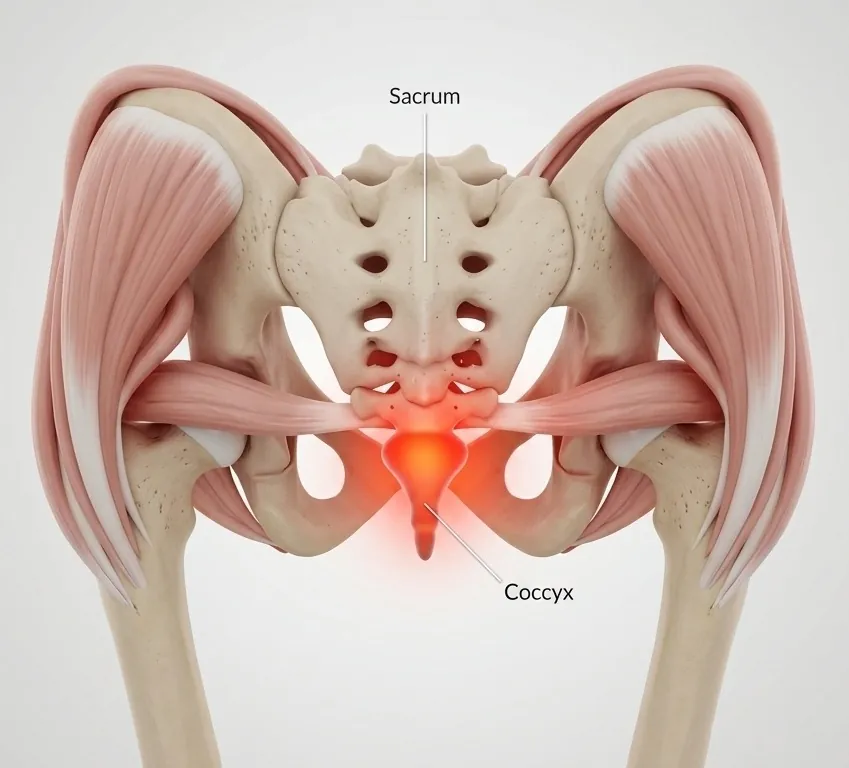
Coccydynia is pain arising from the coccyx—the tailbone at the very bottom of the spine. It is commonly triggered by a fall onto the buttocks or repeated pressure from prolonged sitting, and women are affected more often than men. Although the area is small, persistent coccygeal pain can make sitting, driving and work extremely uncomfortable.
What Is the Coccyx?
The coccyx is a small triangular structure formed by the lowest segments of the spine. It contributes to support while sitting and provides attachment for ligaments, tendons and muscles around the pelvic floor.
Common Causes of Coccydynia
Mechanical and medical causes
- Trauma: a direct fall can bruise or fracture the coccyx.
- Abnormal anatomy or movement: excessive forward angulation or hypermobility can make the tailbone painful under load.
- Childbirth: pressure and displacement during vaginal delivery can injure the coccyx.
- Repetitive pressure: prolonged sitting, driving, cycling and horse riding can repeatedly irritate the region.
- Rare local pathology: tumors or teratomas can occur around the coccyx.
- Referred pain: rectal disorders and lumbar-spine conditions can sometimes mimic coccygeal pain.
Symptoms of Tailbone Pain
The typical symptom is sharply localized pain or tenderness over the tailbone. It often worsens with prolonged sitting, rising from a chair, leaning backward or activities that place direct pressure on the coccyx.
- Pain may ease when standing or walking.
- Bowel movements can be uncomfortable, particularly when constipation causes straining.
- Some patients notice tenderness extending into the lower sacral or low-back region.
How Coccydynia Is Diagnosed
| Assessment | What it helps identify |
|---|---|
| History and examination | Characteristic sitting-related pain and focal coccygeal tenderness. |
| Diagnostic local-anesthetic injection | Marked immediate relief supports the coccyx as the pain generator. |
| X-rays | Fracture, abnormal angulation or excessive movement; comparing sitting and standing films can reveal dynamic instability. |
| MRI | Persistent pain, marrow edema, infection, tumor or another spinal cause. |
| CT | Selected complex sacral fractures or suspicious bony lesions. |
Non-Surgical Treatment Options
Most patients improve without surgery. Treatment aims to reduce direct pressure, settle inflammation and correct factors that repeatedly irritate the coccyx.
Medication, cushions and physiotherapy
- Pain-relieving or anti-inflammatory medication may be used when appropriate.
- Stool softeners can reduce painful straining when constipation is present.
- Selected chronic pain may require nerve-pain medication prescribed by a clinician.
- A coccyx cut-out or donut-style cushion can offload direct pressure; a supportive firm seat is often preferable to sinking deeply into a soft sofa.
- Warm sitz baths may soothe the area.
- Physiotherapy can address posture and pelvic-floor control, including selected pelvic-floor exercises.
- Avoid prolonged floor sitting and positions that directly load the tailbone.
Injections, nerve blocks and manual therapy
- Local anesthetic plus corticosteroid injection can be useful in selected cases of chronic inflammation, fracture-related pain or hypermobility.
- Nerve blocks may be considered when severe pain persists despite simpler measures.
- Manual coccygeal manipulation has been described for selected patients, including internal manipulation, but acceptance and suitability vary and it is not a routine first-line treatment.
When Is Coccygectomy Considered?
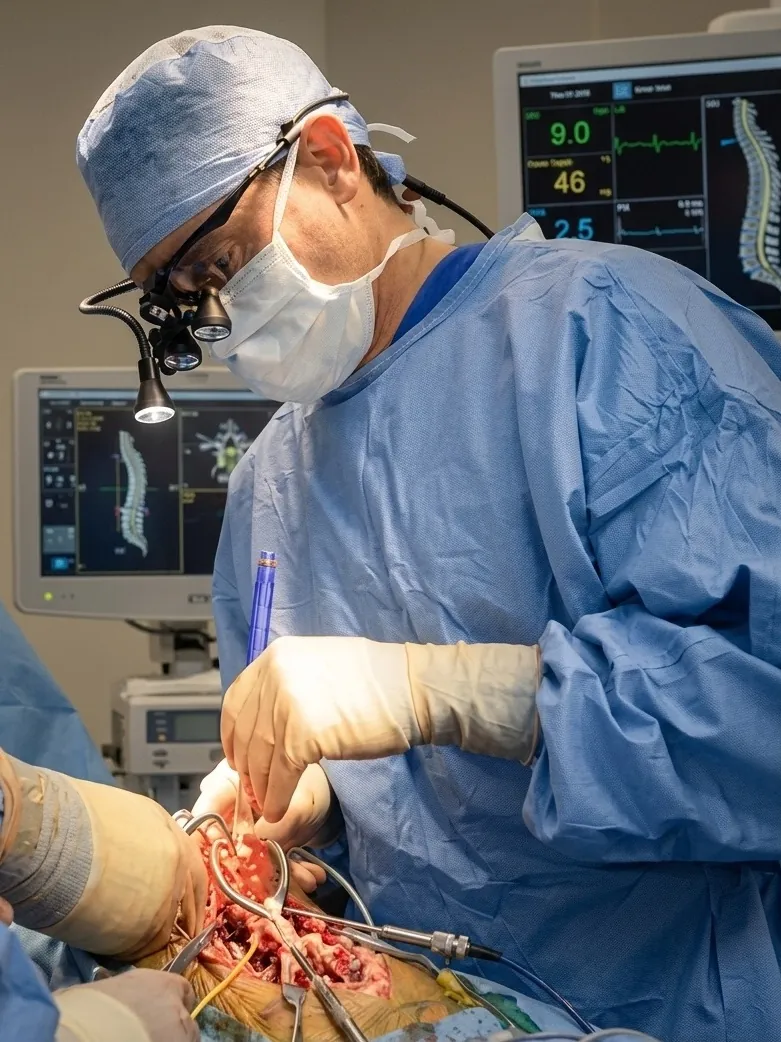
Coccygectomy means surgical removal of the coccyx. It is reserved for carefully selected patients after a substantial trial of non-surgical treatment has failed, or when a structural lesion makes surgery necessary.
Surgery is a last-resort option
Possible indications include persistent disabling pain, confirmed instability or fracture, and selected coccygeal tumors. Results are less predictable than for many routine spine procedures, so counseling is important and residual pain may still need treatment afterward.
When to See a Spine Specialist
Urgent
Seek prompt assessment for severe pain after significant trauma, fever/systemic illness, rapidly worsening neurological symptoms or other concerning features.
Arrange a review
Persistent tailbone pain that does not improve with rest, medication, cushions and posture changes deserves evaluation.
Most cases are treatable
Accurate diagnosis and conservative care resolve many cases without an operation.
This article is general education written by Dr. Amit Sharma. It is not a diagnosis or a substitute for an in-person consultation.