Fear around spine surgery often comes from older experiences of large operations, prolonged bed rest and less precise imaging. Modern diagnosis, anaesthesia, minimally invasive techniques, intraoperative imaging and structured rehabilitation have changed how many spine procedures are planned and performed. Risk still exists, but it is specific to the diagnosis, operation, spinal level and individual patient.
Why Are Patients Still Hesitant?
Patients commonly ask whether surgery will actually help, whether they will walk normally afterwards, whether paralysis is possible and whether they will be confined to bed for weeks. These concerns deserve direct answers rather than blanket reassurance.
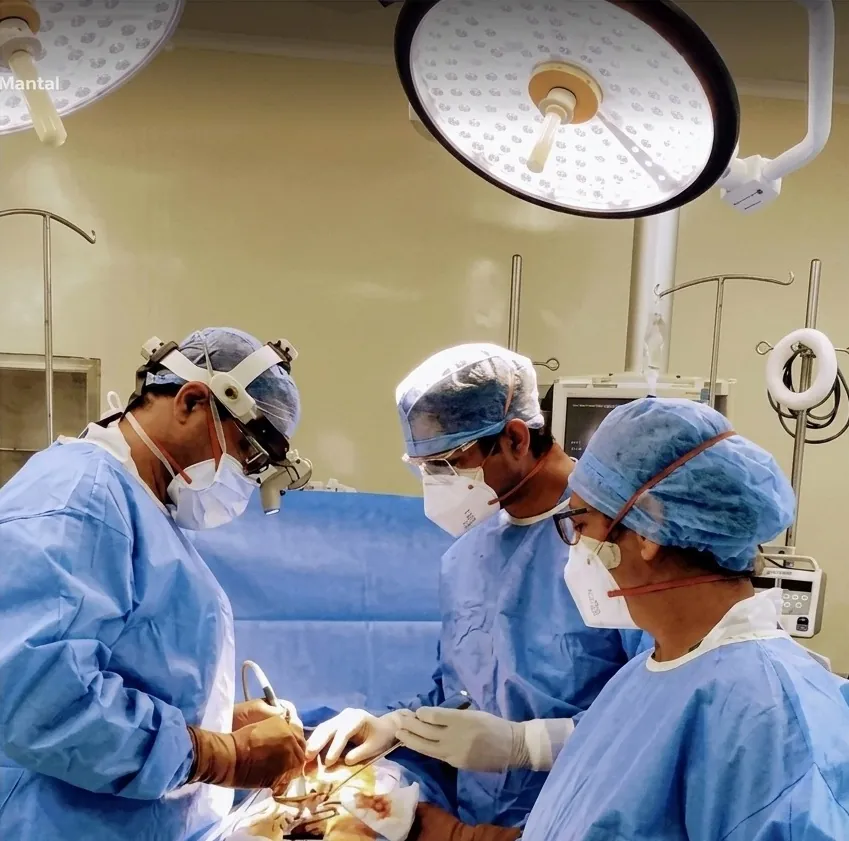
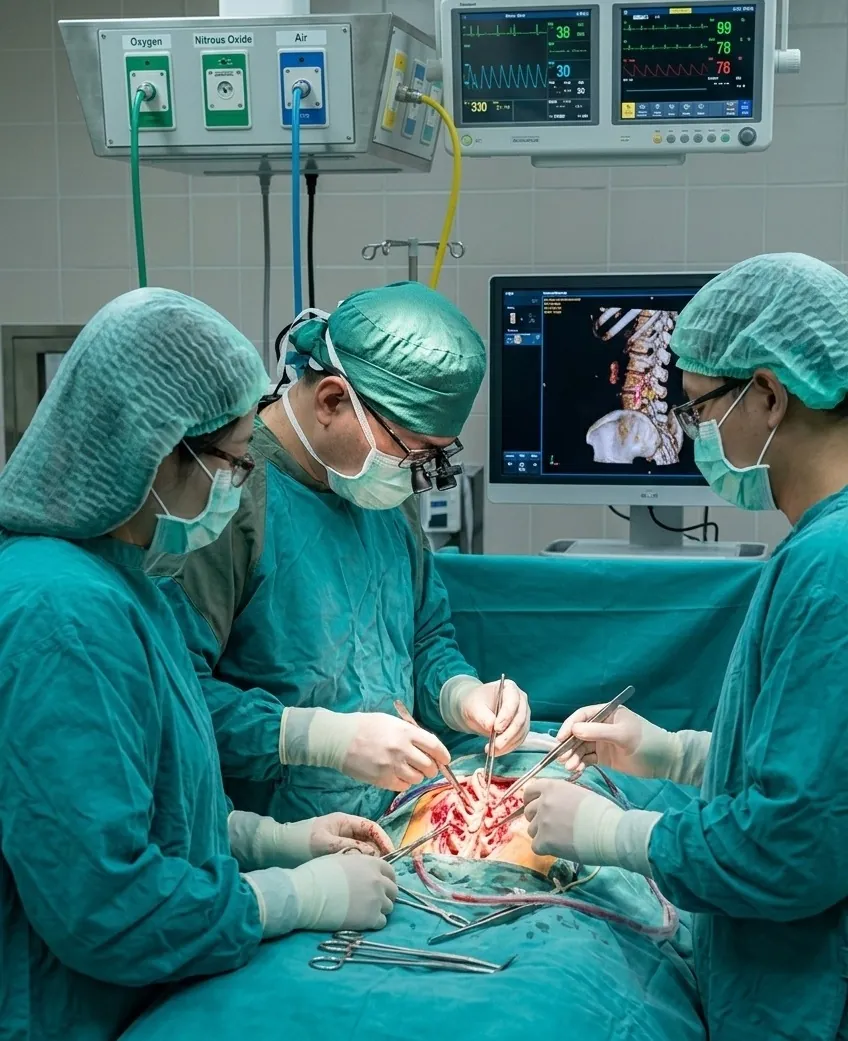
Modern surgery is different
Current spine care uses MRI/CT-based diagnosis, magnified visualization, better anaesthesia, image guidance and early rehabilitation. The safest result still depends on choosing the right operation for the right patient.
Common Concerns and the Reality
| Concern | Clinical reality |
|---|---|
| Will surgery help? | Benefit is most predictable when symptoms, examination and imaging identify a clear surgically correctable problem. MRI and, where appropriate, EMG/NCV help define the diagnosis. |
| Will I need long bed rest? | For many modern procedures, patients sit, stand or walk within 12–24 hours and selected admissions last about 1–2 days. Prolonged bed rest is generally avoided. |
| Can paralysis occur? | Serious neurological injury is a recognized but uncommon risk. Microscopy/endoscopy, neuromonitoring and image-guided instrumentation are used where appropriate to improve safety. |
Timing matters when nerves are failing
When severe compression has already caused longstanding weakness such as foot drop, decompression may prevent further deterioration without guaranteeing complete nerve recovery.
Can Surgery Cause Long-Term Spine Problems?
A procedure may treat one diseased level while other spinal segments continue to age. Later degeneration at another level is not automatically a complication of the original operation. Recurrent symptoms can also occur at the operated level because of further disc change or scar formation.
Postoperative exercise, weight control, ergonomics, smoking cessation and appropriate rehabilitation help protect overall spine health, although they cannot prevent every future degenerative change.
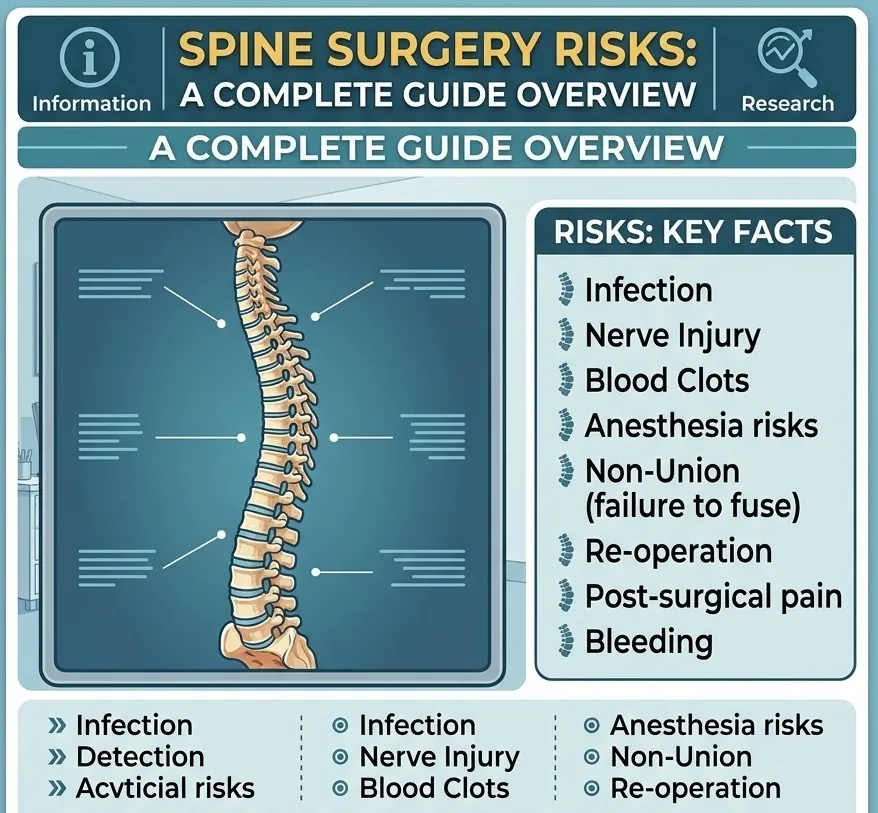
Less Common but Possible Complications
Infection and wound problems
- Infection risk varies by operation and patient factors and can be higher with diabetes, smoking or impaired immunity.
- Management may include antibiotics and, in deeper infections, surgical washout or drainage.
Dural tear, clot and bleeding risks
- Dural tear: the covering around neural structures can be opened unintentionally, particularly in difficult or revision surgery. It is usually repaired during the operation; management depends on the type of tear.
- DVT: blood clots in the legs can travel to the lungs. Early mobilisation, compression devices and medication are used according to individual risk.
- Bleeding or hematoma: uncommon bleeding near neural structures can require urgent assessment or evacuation, particularly when neurological function changes.
Implant-related problems
- Screws, rods or cages can loosen, migrate or fail, particularly when bone quality is poor or fusion does not heal as intended.
- Preoperative bone-health assessment and accurate placement help reduce these risks.
Technology Helps, but Patient Selection Still Matters
Advanced imaging, navigation, robotics and neuromonitoring can make specific steps more precise, but technology does not replace clinical judgment. An MRI abnormality must be correlated with the patient's symptoms and examination before surgery is recommended.
Poor patient selection, operating on an incidental scan finding or creating unrealistic expectations can produce dissatisfaction even when the technical procedure itself is performed correctly.
Final Perspective
Do not delay emergencies
New bladder/bowel dysfunction, rapidly progressive weakness or major neurological deterioration requires urgent assessment.
Discuss progressive deficits
Persistent or worsening weakness and nerve dysfunction should be reviewed promptly rather than postponed solely because of fear.
Make an informed decision
When symptoms are stable, understand the diagnosis, alternatives, expected benefit and procedure-specific risks before deciding.
Spine surgery is neither risk-free nor inherently dangerous. The meaningful question is whether the expected benefit of a specific operation outweighs its risks for a specific patient.
This article is general education written by Dr. Amit Sharma. It is not a diagnosis or a substitute for an in-person consultation.