Understanding Cervical Myelopathy
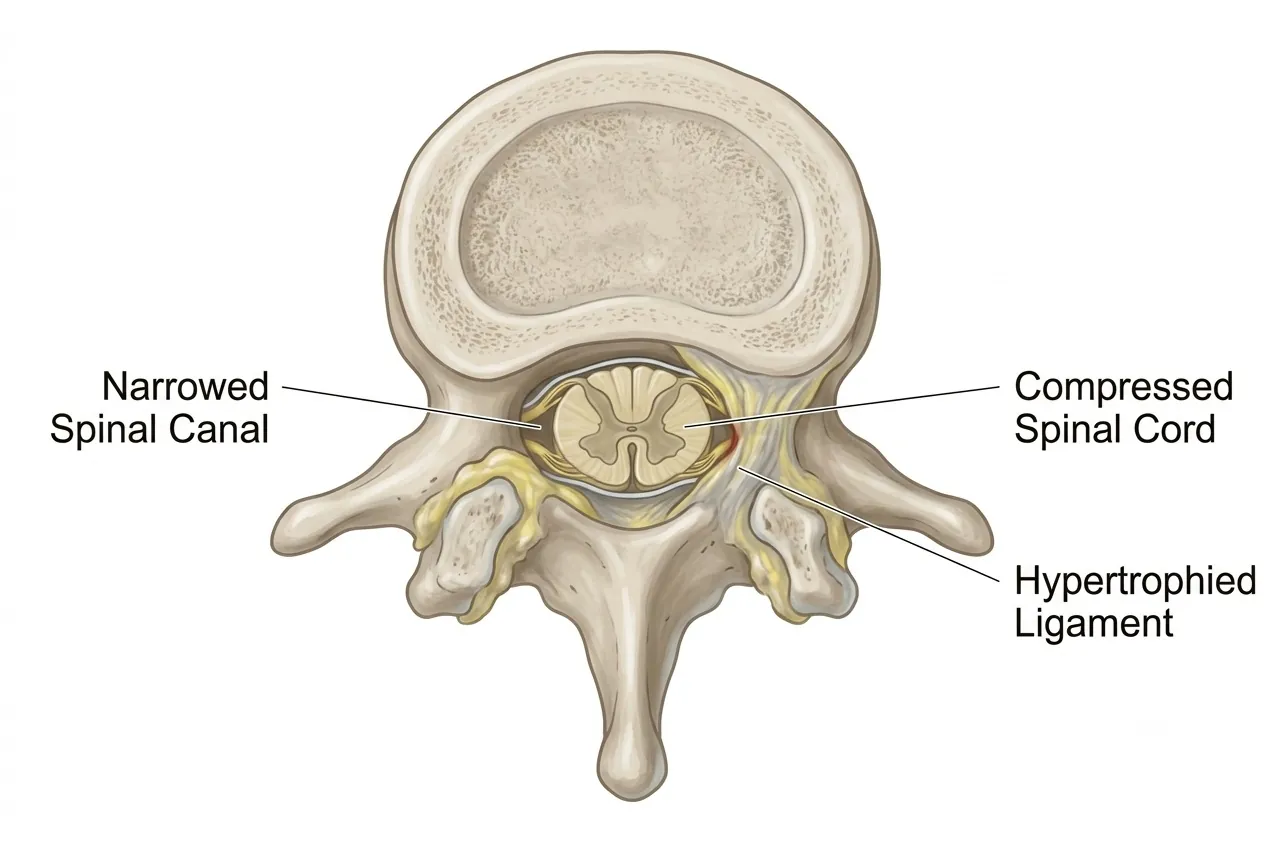
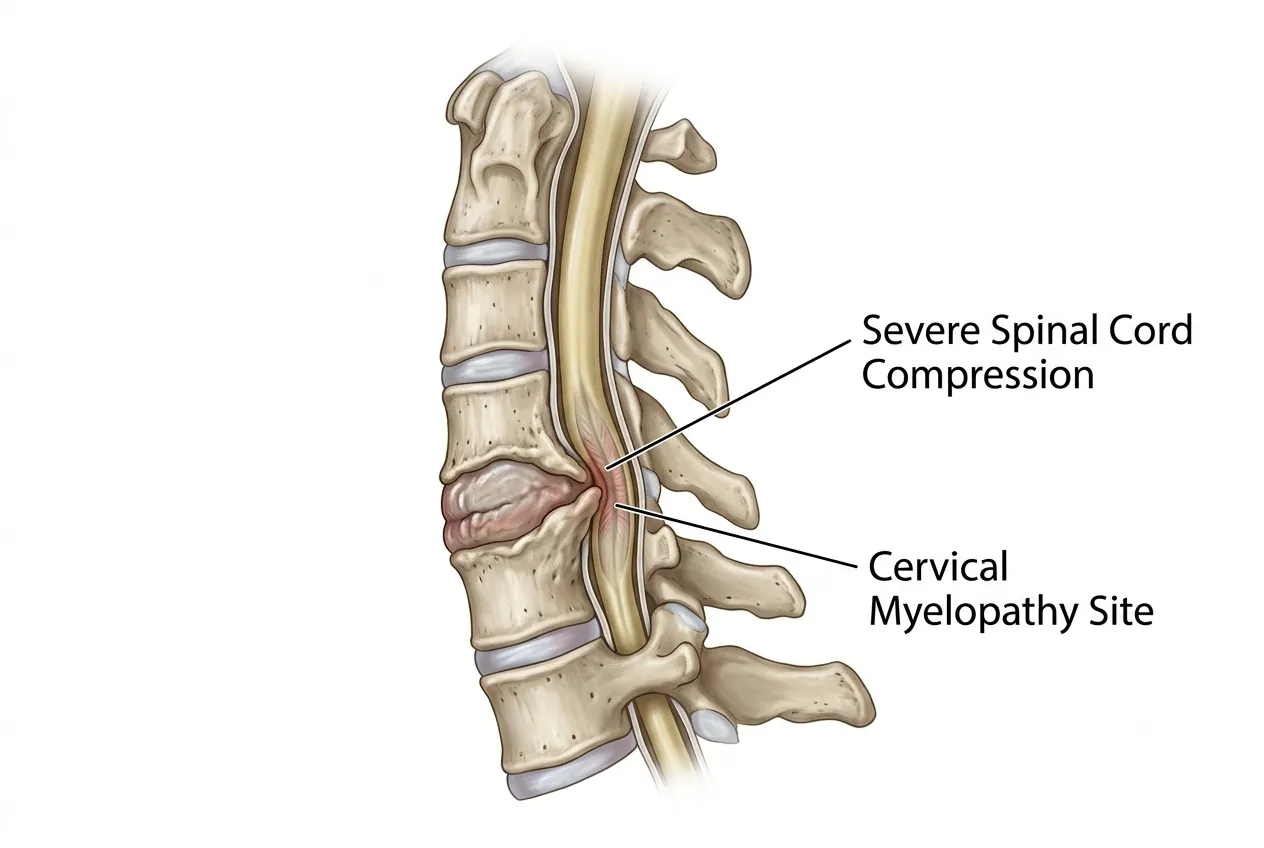
Cervical myelopathy is dysfunction of the spinal cord caused by compression within the neck. Unlike a single pinched nerve, spinal-cord compression can affect neurological function in the hands, arms, trunk and legs below the compressed level.
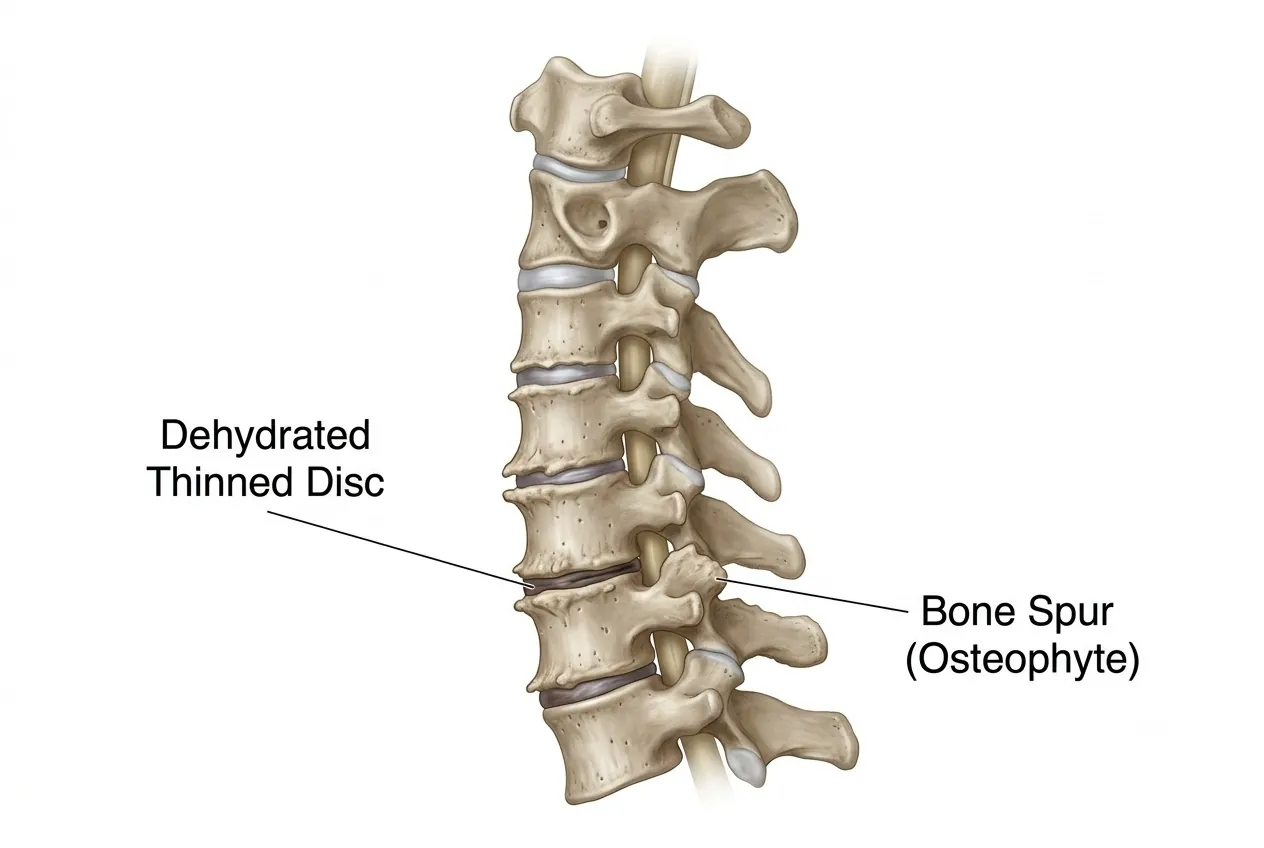
The commonest pattern is degenerative or spondylotic cervical myelopathy. With progressive cervical spondylosis, disc bulges, osteophytes and thickened ligaments gradually reduce the space available for the spinal cord.
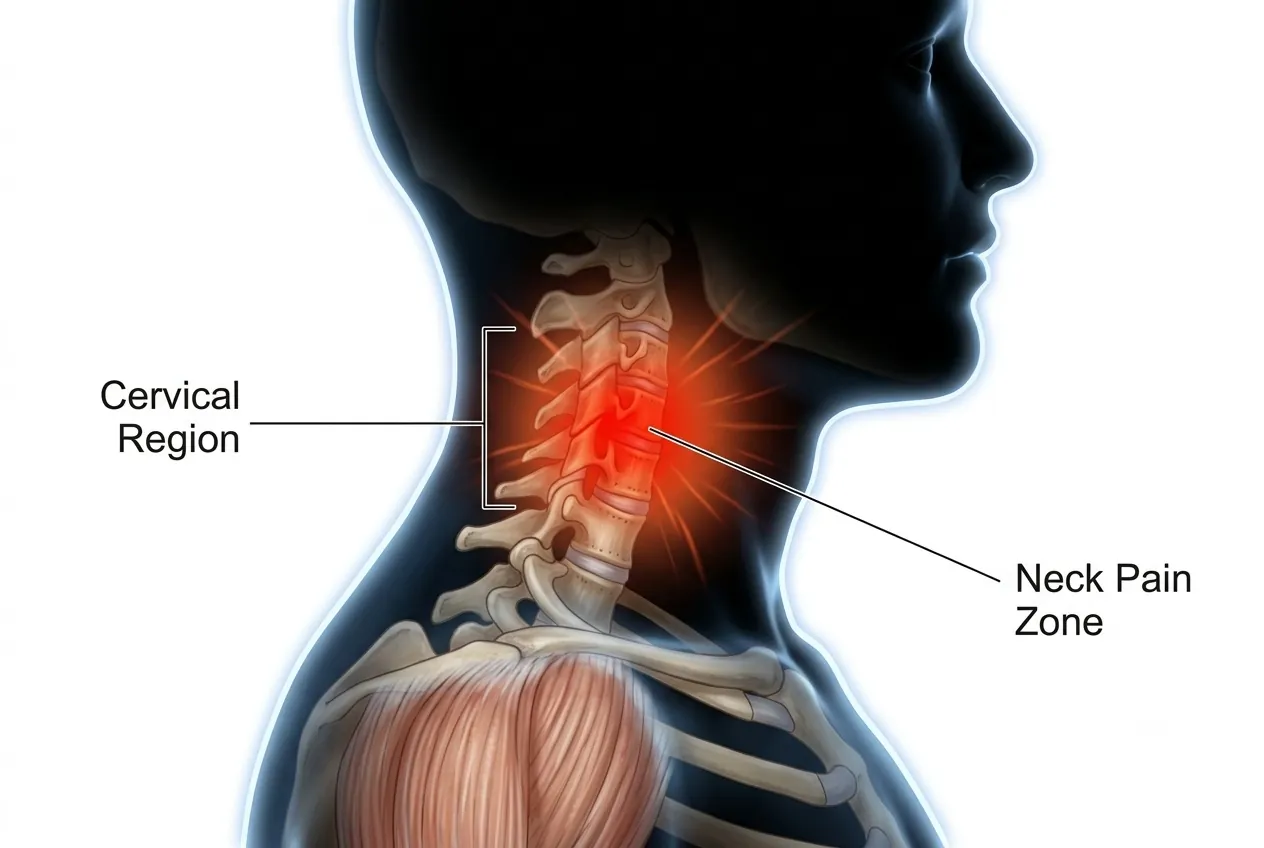
Myelopathy is more than neck pain
Hand clumsiness, loss of balance, gait change and increasing limb stiffness are important spinal-cord symptoms and deserve timely assessment.
Causes
| Cause | How Compression Develops |
|---|---|
| Cervical spondylosis | Disc bulging, bone-spur formation and ligamentum flavum thickening progressively narrow the canal. |
| Congenital stenosis | A naturally narrow spinal canal leaves less reserve space around the cord, so smaller degenerative changes may become clinically important. |
| Ligament ossification | Ossification of the posterior longitudinal ligament or ligamentum flavum can occupy spinal-canal space. |
| Other structural causes | Fractures, spinal infection and tumors can directly compress the cord. |
Symptoms
- Tingling, numbness or weakness in the arms and hands.
- Reduced grip strength and loss of fine hand control, including difficulty buttoning clothes or handling small objects.
- Loss of balance, coordination and confidence while walking.
- Difficulty walking, standing or maintaining comfortable posture as disease advances.
- Spasticity or abnormal stiffness in the limbs.
- Bladder or bowel dysfunction in advanced neurological compression.
Urgent assessment
Rapidly worsening weakness, major walking deterioration or new bladder/bowel dysfunction requires prompt medical evaluation.
Specialist review
Increasing hand clumsiness, grip weakness, numbness, imbalance or limb stiffness should not be dismissed as simple ageing.
Mild stable symptoms
Even mild suspected myelopathy should be clinically assessed and followed because neurological progression can occur.
2-minute self-check
Do your symptoms deserve a closer look?
Tick anything you've noticed recently. Your guidance appears straight below. Everything stays on this page; nothing is stored or sent. This is an educational aid, not a diagnosis of cervical myelopathy.
Seek urgent medical care today
These symptoms can mean a nerve or the spinal cord is under serious pressure. Go to the nearest emergency department, or call the clinic straight away. Do not wait for a routine appointment.
Book a spine specialist review soon
Arrange an assessment within the next few days, and sooner if things get worse. If you already have an MRI, you can send it for review.
Guidance only, based on the warning signs described in this guide. It cannot find the cause of your symptoms. If symptoms are severe, getting worse quickly, or you are worried, contact a doctor.
Diagnosis
Clinical and Imaging Tests
- History and neurological examination: assesses hand function, gait, balance, strength, sensation and reflex abnormalities.
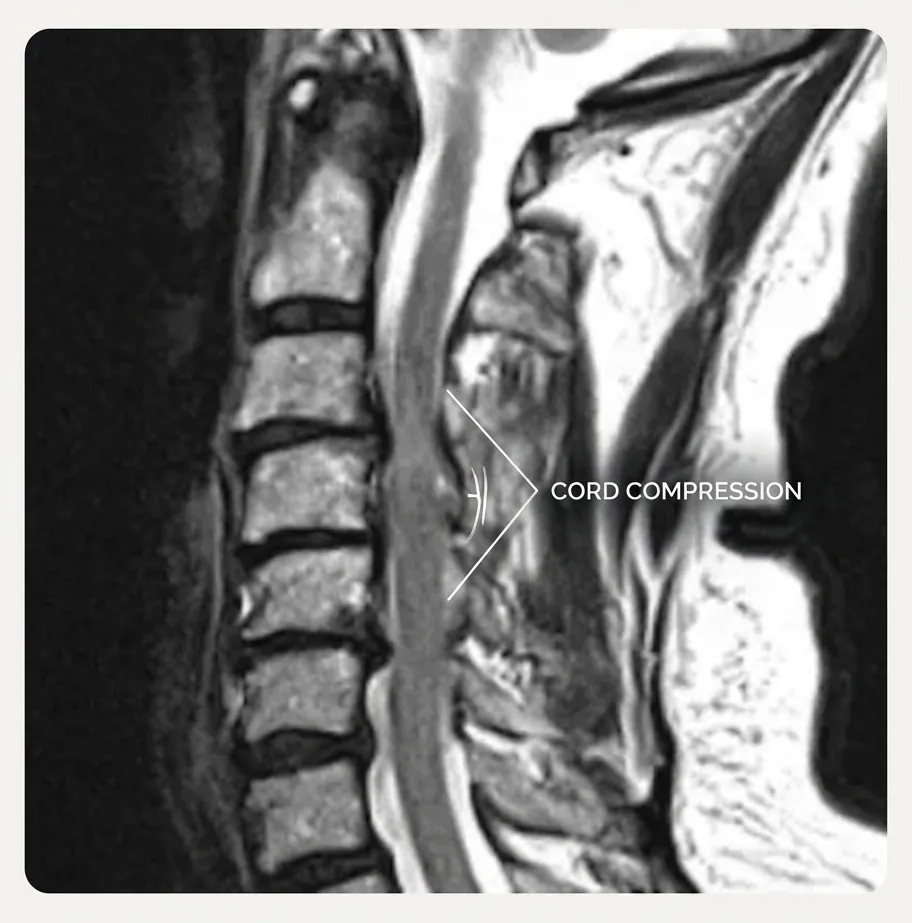
- MRI: the principal imaging test for cord compression, disc disease and ligament changes.
- X-rays: assess alignment, bony change and instability.
- CT: is especially useful for ossified ligaments and when MRI cannot be performed because of certain implanted devices.
- EMG/NCV: helps when symptoms and MRI do not correlate or when peripheral neuropathy or carpal tunnel syndrome must be distinguished.
- Blood tests: may evaluate vitamin B12 deficiency, infection or other suspected disease.
- Biopsy/culture: may be needed when infection or tumor is suspected.
Non-Surgical Treatment
Management depends on neurological severity and progression. Medicines may reduce pain, muscle spasm and nerve-related symptoms; temporary bracing and activity modification may be used selectively. These measures can improve symptoms but do not enlarge a structurally narrowed canal.
Role of Epidural Injections
An epidural steroid injection may temporarily reduce inflammation when a compressed nerve root is producing radicular arm pain. It does not reverse spinal stenosis or treat significant spinal-cord dysfunction. Suitability must also account for factors such as uncontrolled diabetes and anticoagulant treatment.
Surgical Treatment
Surgical decompression is considered when myelopathy is clinically significant, progressive or inadequately controlled with observation and conservative measures. The objective is to remove pressure from the cord and prevent further neurological decline.
| Approach | Typical Procedures / Role |
|---|---|
| Anterior | ACDF or corpectomy can directly address compression arising mainly from the front of the spinal cord. |
| Posterior | Laminectomy with or without fusion, or laminoplasty, may be used for posterior or multilevel compression. |
| Combined | Selected complex cases require both anterior and posterior decompression/stabilization. |
Prognosis and Importance of Early Treatment
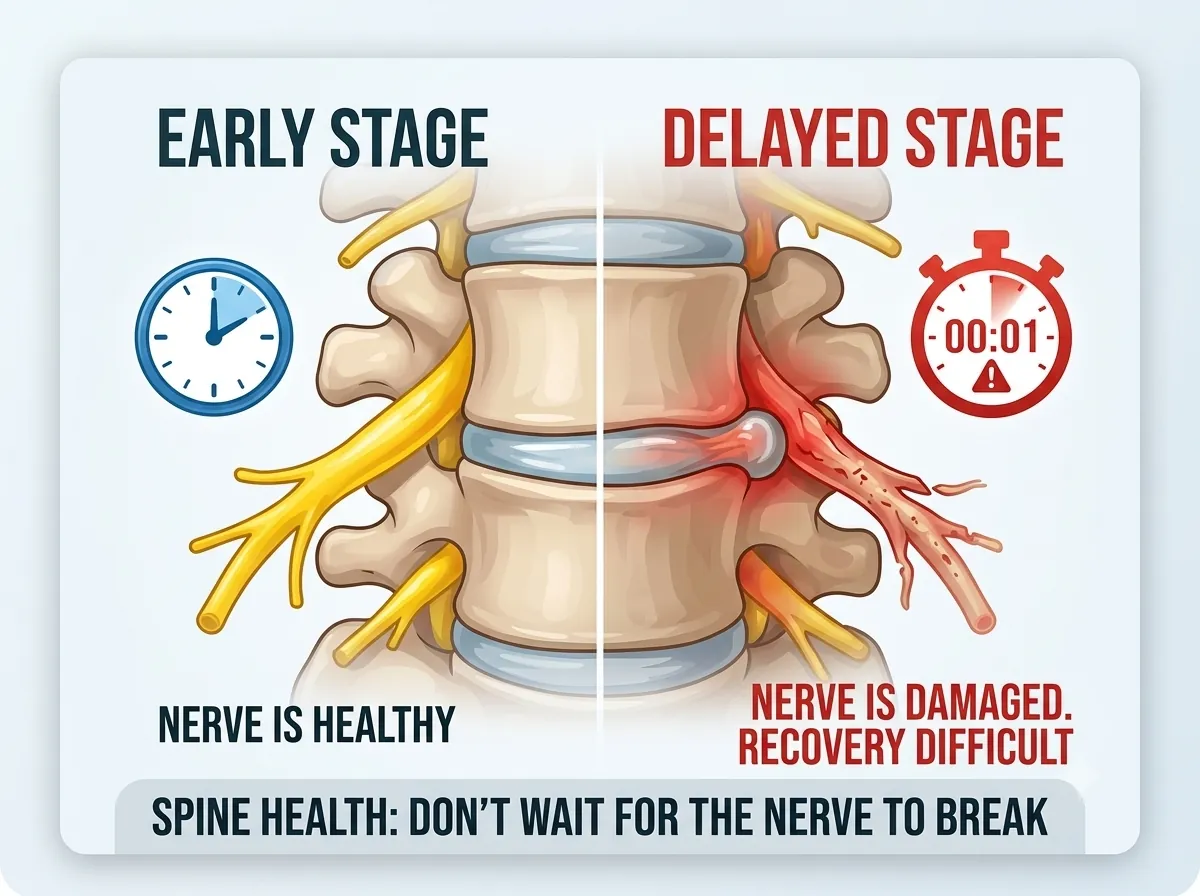
Long-standing spinal-cord compression can produce permanent neurological injury. Decompression aims primarily to halt further deterioration and create the best opportunity for neurological recovery; recovery may be incomplete when severe deficits have been present for a long time.
Do not wait for severe disability
Once hand function, balance, walking or other daily activities are progressively affected, timely surgical assessment becomes particularly important.
Thoracic Myelopathy
Thoracic myelopathy is spinal-cord dysfunction arising in the thoracic spine. Because the compression is below the nerves supplying the arms, upper-extremity symptoms are generally absent. Typical problems include leg weakness and spasticity, difficulty standing or walking, and bladder or bowel dysfunction in advanced disease. Ossification of spinal ligaments is an important cause and may be associated with fluorosis. Diagnosis and the principles of decompression are broadly similar to cervical myelopathy.
Imaging from Dr. Sharma's practice
The images below are from Dr. Amit Sharma's practice and are shared for education, without identifying details. Every patient's imaging is different — your own scans need an individual clinical review.
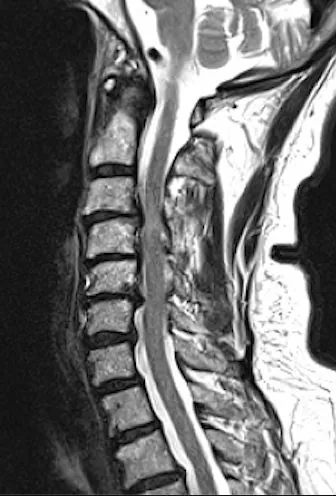 Enlarge image: Sagittal cervical MRI showing compression of the spinal cord.
Frequently Asked Questions
Can it be treated without surgery?
Mild stable symptoms may be managed and monitored non-surgically, but medicines, therapy and bracing do not remove spinal-cord compression. Moderate, severe or progressive myelopathy commonly requires surgical assessment.
How long is recovery after surgery?
Recovery varies with the procedure, age, severity and duration of cord compression. Mobilization may begin early, while neurological recovery can continue over months.
Can cervical myelopathy cause paralysis?
Severe untreated cord compression can produce major weakness and, in advanced cases, profound disability or paralysis.
What is the success rate?
Outcome depends on disease severity, duration, cord damage and the operation required. Surgery is generally intended to stop deterioration and often improves function, but complete neurological recovery cannot be guaranteed.
Can it be considered a disability?
Advanced disease can substantially impair hand use, balance, walking and independence; functional impact varies from person to person.
What exercises are best?
Exercise must be individualized. Aggressive neck manipulation or unsupervised exercises are inappropriate when significant cord compression is present; rehabilitation should follow specialist guidance.
Can it cause dizziness or visual symptoms?
These are not the defining manifestations of cervical myelopathy and should prompt assessment for other causes rather than being automatically attributed to cord compression.
What lifestyle changes help?
Avoid activities that clearly provoke neurological symptoms, reduce fall risk, use safe ergonomics and follow the prescribed rehabilitation and monitoring plan.
Can myelopathy be reversed?
Removing compression can allow neurological improvement, but established spinal-cord injury may not completely reverse.
What happens if it is untreated?
Progressive compression can cause worsening hand function, gait, balance, stiffness, weakness and eventually bladder/bowel dysfunction.
Can it affect sleep?
Pain, numbness, stiffness and positional discomfort can disturb sleep, although sleep difficulty itself is not specific to myelopathy.
This article is general education written by Dr. Amit Sharma. It is not a diagnosis or a substitute for an in-person consultation. If you have sudden weakness, numbness in the groin or saddle area, or new bladder or bowel problems, seek emergency care.