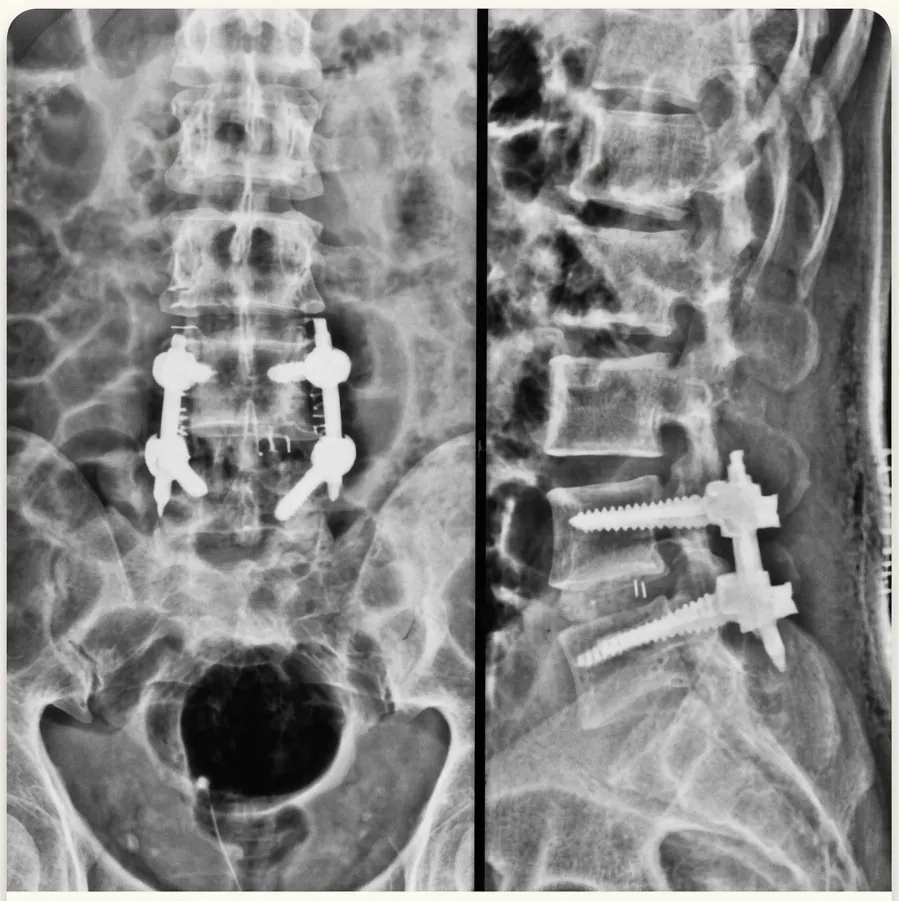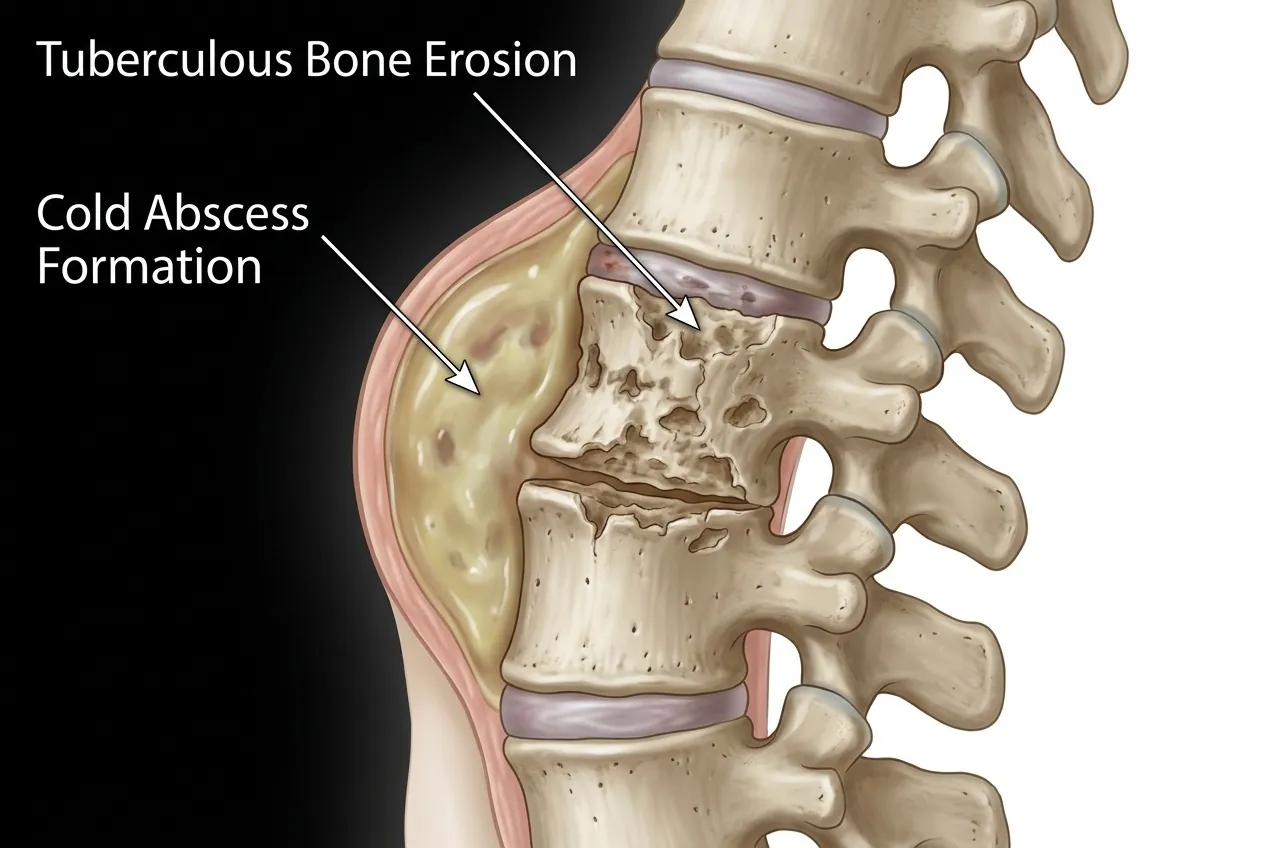
Understanding Spinal Tuberculosis
Tuberculosis is an infection caused by Mycobacterium tuberculosis. Although pulmonary TB is best known, infection can spread to bone; the spine is the commonest skeletal site. Spinal tuberculosis, or Pott disease, most often affects the thoracic region but may involve the lumbar spine, cervical spine or sacrum.
How the Disease Progresses
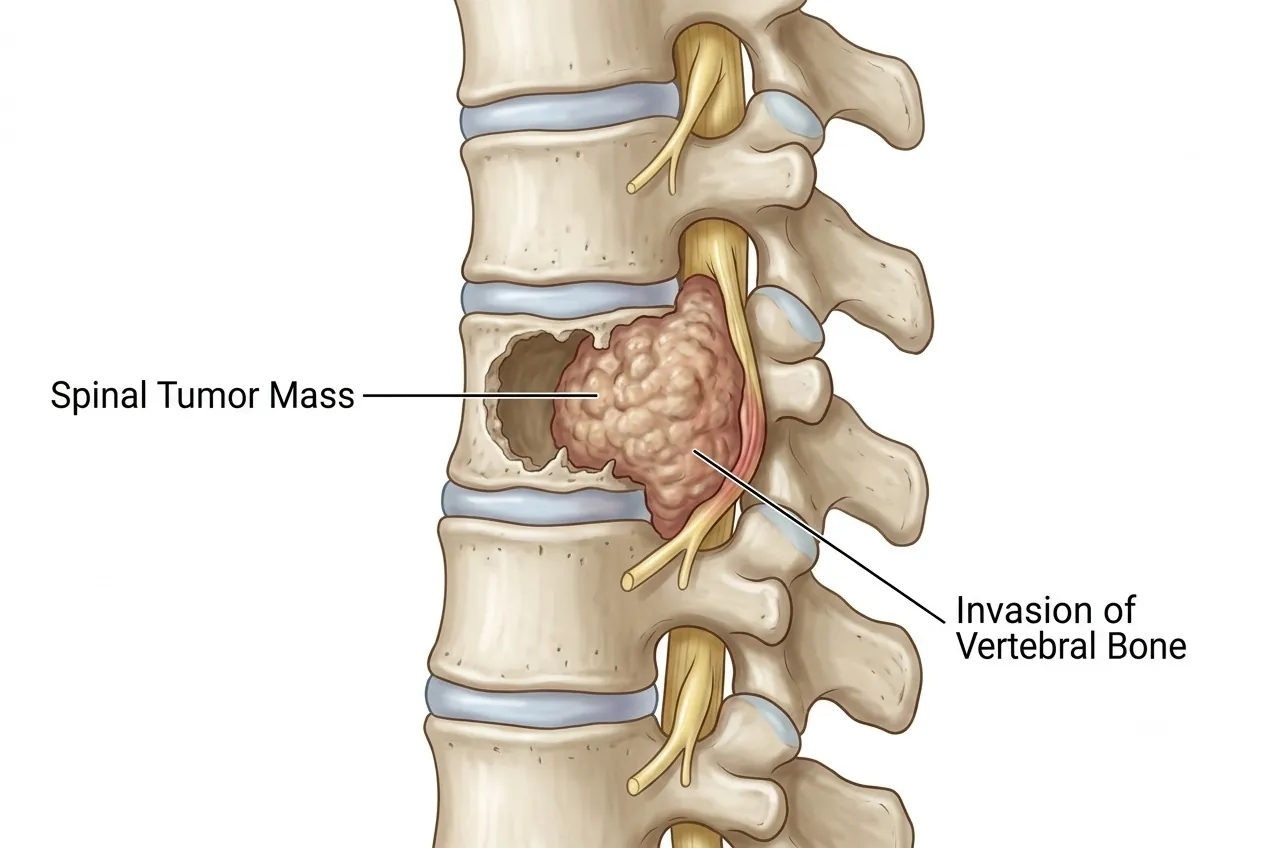
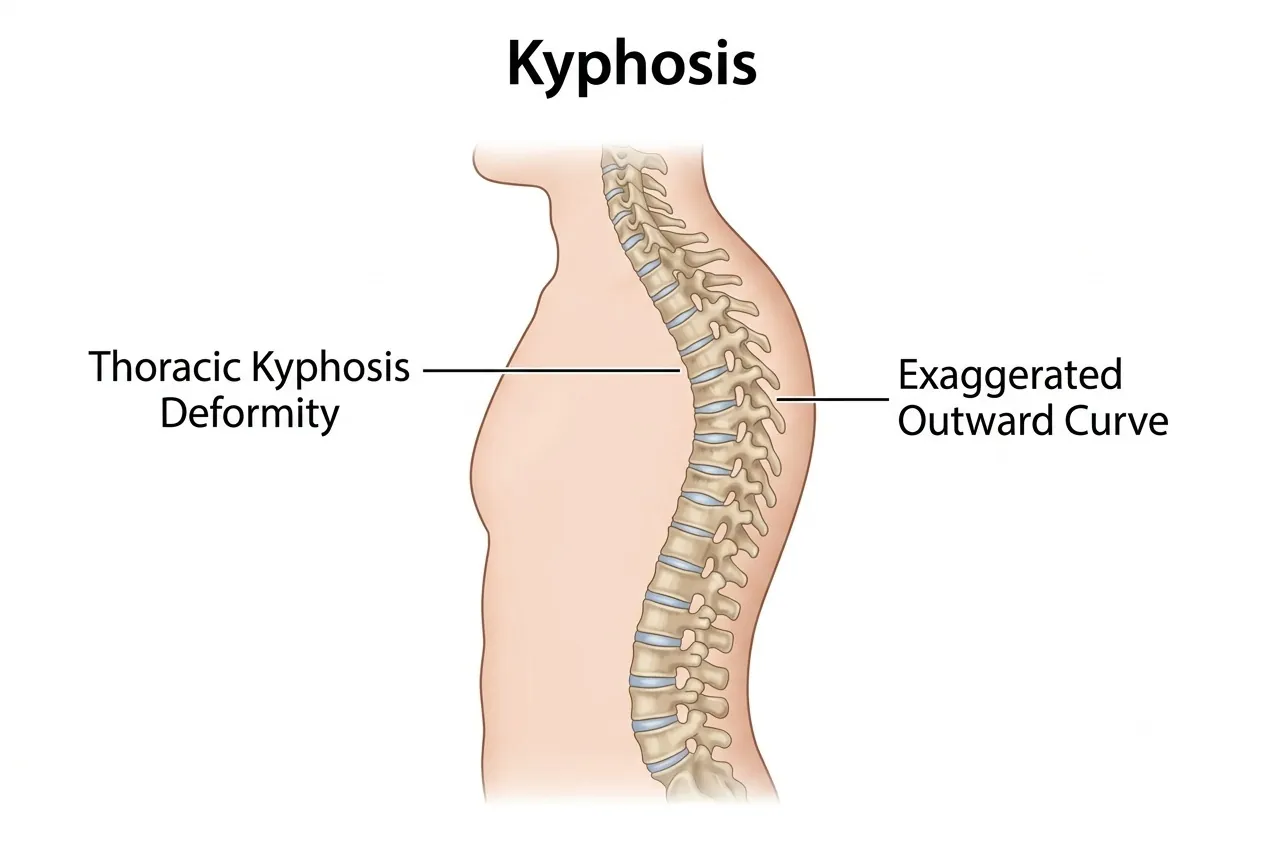
In many patients infection involves an intervertebral disc and the adjacent vertebral bodies. Progressive destruction weakens the vertebrae, allowing collapse and kyphotic deformity. Infection can also begin in a vertebral body or posterior elements and may extend toward the spinal canal, meninges or spinal cord.
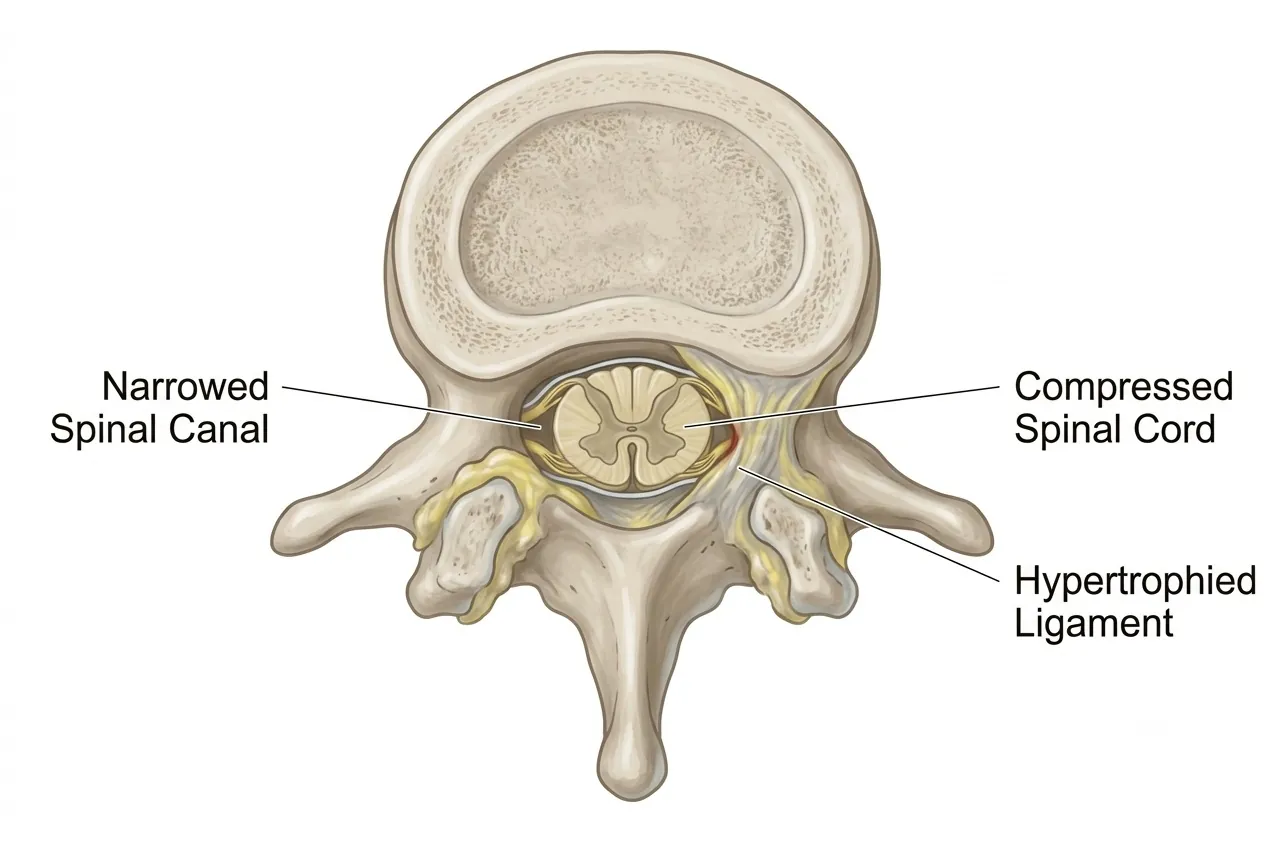
Neurological compression can result from displaced bone after collapse, pus or inflammatory tissue in the canal, deformity of the spinal column, or direct involvement of neural structures.
Symptoms
Localized spinal pain is common. Classic constitutional TB symptoms—fever, night sweats, reduced appetite and weight loss—may be absent, so their absence does not exclude spinal TB.
- Progressive localized back or neck pain.
- Kyphotic or hunched deformity as vertebral destruction advances.
- Weakness or sensory loss in the limbs.
- Reduced hand dexterity or grip when cervical neural structures are involved.
- Loss of balance and spasticity in the legs.
- Bladder or bowel dysfunction in advanced spinal-cord compression.
Urgent
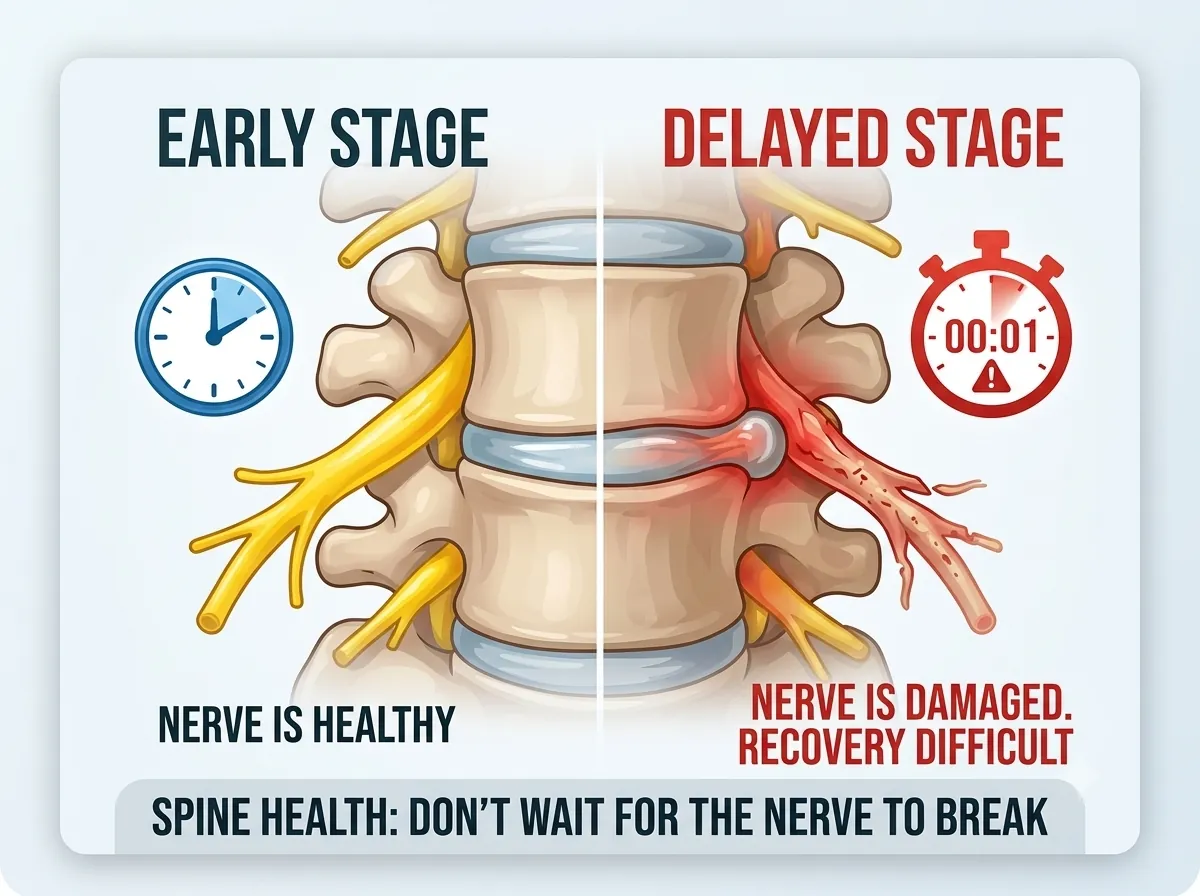
New paralysis, rapidly progressive weakness or bladder/bowel dysfunction needs urgent specialist assessment.
Prompt review
Persistent focal spinal pain, progressive deformity or neurological symptoms require timely investigation.
Treatable disease
Spinal TB is treatable, and early diagnosis plus appropriate anti-tubercular therapy can prevent major structural and neurological complications.
2-minute self-check
Do your symptoms deserve a closer look?
Tick anything you've noticed recently. Your guidance appears straight below. Everything stays on this page; nothing is stored or sent. This is an educational aid, not a diagnosis of spinal tuberculosis.
Seek urgent medical care today
These symptoms can mean a nerve or the spinal cord is under serious pressure. Go to the nearest emergency department, or call the clinic straight away. Do not wait for a routine appointment.
Book a spine specialist review soon
Arrange an assessment within the next few days, and sooner if things get worse. If you already have an MRI, you can send it for review.
Guidance only, based on the warning signs described in this guide. It cannot find the cause of your symptoms. If symptoms are severe, getting worse quickly, or you are worried, contact a doctor.
Risk Factors
- Close exposure to a person with tuberculosis.
- Malnutrition or poor general health.
- Overcrowded or unsanitary living conditions.
- Chronic illnesses such as diabetes or chronic kidney disease.
- Immunosuppressive treatment including chemotherapy or corticosteroids.
- HIV/AIDS and other causes of impaired immunity.
Diagnosis
| Test | Role |
|---|---|
| X-ray | May show early disc-space loss and later vertebral collapse or deformity. |
| MRI | Best imaging study for defining disc and vertebral involvement, abscess/inflammatory tissue and spinal-cord compression; imaging alone cannot always distinguish TB from tumor or another infection. |
| CT | Shows bone destruction in detail and is useful when MRI is not feasible or when monitoring bony healing. |
Confirmatory and Laboratory Tests
- Biopsy: tissue diagnosis helps distinguish TB from bacterial infection and tumor. Samples undergo histopathology, culture and susceptibility testing.
- CT-guided biopsy: percutaneous needle sampling under image guidance.
- Fluoroscopy-guided or surgical biopsy: alternatives when percutaneous sampling is unsuitable or unsuccessful.
- Culture and drug-susceptibility testing: determines drug-sensitive disease and identifies MDR/XDR patterns that change medication selection.
- Chest X-ray/sputum testing: may assess associated pulmonary TB.
- ESR/CRP and other blood tests: help assess inflammation and follow response in context.
Medical Treatment
Anti-tubercular therapy is the foundation of spinal-TB treatment. The exact drug combination and duration depend on microbiology, drug susceptibility, disease extent and response. The supplied clinical material describes treatment courses commonly extending approximately 12–24 months, particularly according to resistance and response.
- Adequate nutrition to support recovery.
- Appropriate analgesic and anti-inflammatory medication for pain.
- Spinal bracing when support is required to limit painful motion or protect a weakened segment.
- Regular clinical and imaging follow-up to document response, stability and deformity.
Medication is the main treatment
Many patients can be treated successfully with appropriate anti-tubercular therapy. Surgery is reserved for specific structural, neurological or diagnostic problems rather than being required in every case.
Surgical Treatment
When Surgery May Be Required
- Severe cord compression with neurological deficit, including paralysis or bladder/bowel dysfunction.
- Progressive neurological deterioration despite medical treatment.
- Major vertebral destruction producing instability, deformity or severe persistent pain.
- Intractable pain despite adequate medical therapy.
- Need for tissue diagnosis when less invasive biopsy attempts fail.
Decompression with fusion can remove pressure from neural structures, restore stability and alignment, limit further deformity and facilitate mobilization. When there is no major vertebral destruction or instability, decompression alone may be appropriate in selected cases. Disease confined to neural structures without vertebral involvement may likewise not require reconstructive fusion.
Recovery and Follow-up
Recovery depends on the extent of bone destruction, neurological involvement, drug sensitivity and whether surgery was required. Pain and inflammatory markers should improve with effective therapy, while imaging is used to monitor healing and stability. Mobility restrictions are individualized: stable early disease may permit protected walking, whereas marked destruction, instability or cord compression may require stricter temporary restriction.
Imaging from Dr. Sharma's practice
The images below are from Dr. Amit Sharma's practice and are shared for education, without identifying details. Every patient's imaging is different — your own scans need an individual clinical review.
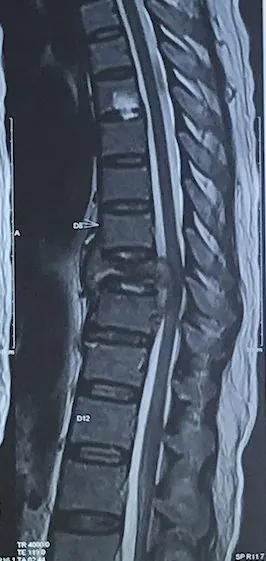 Enlarge image: Sagittal MRI of spinal tuberculosis showing vertebral involvement.
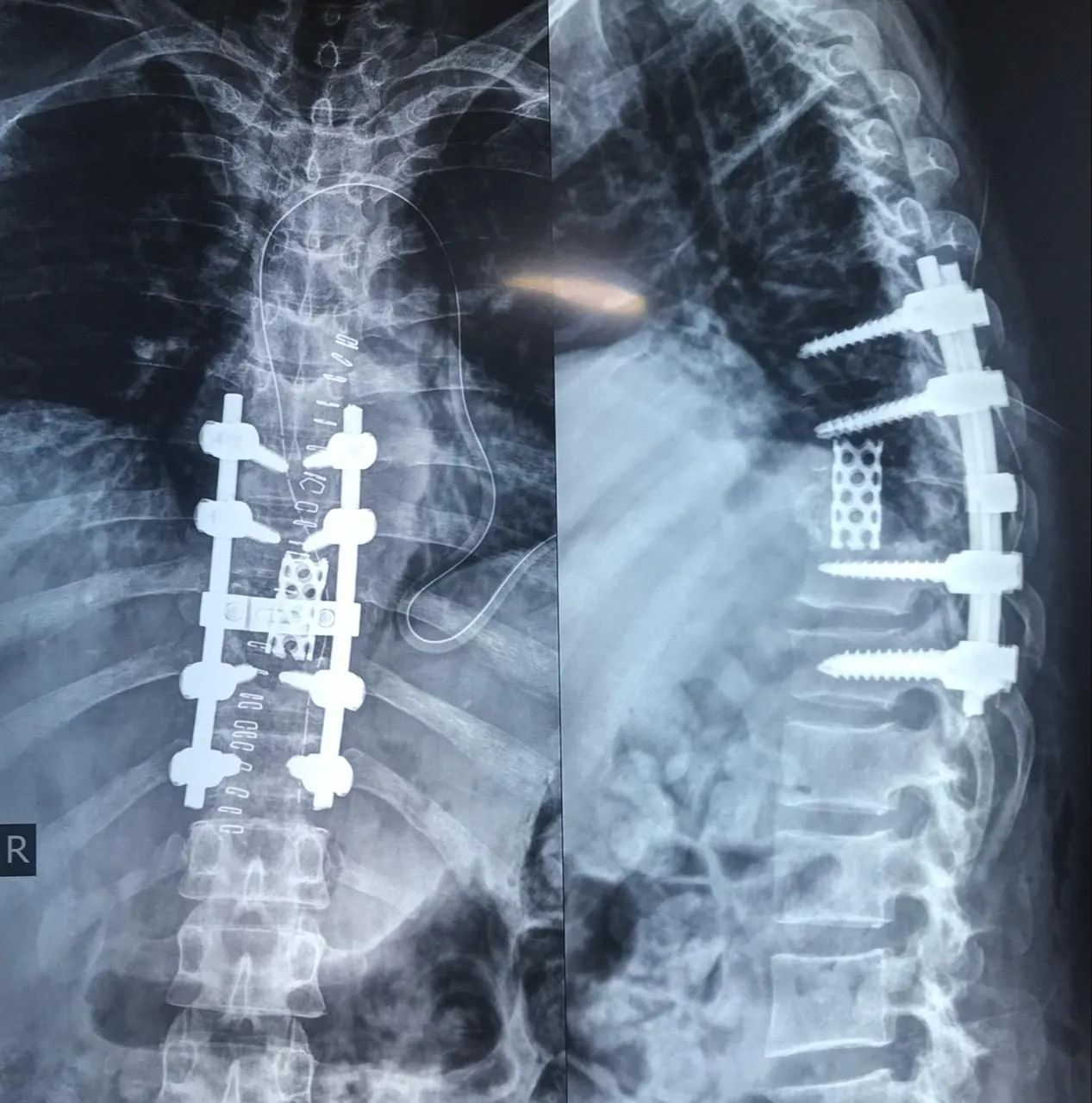 Enlarge image: Post-operative X-rays after surgical stabilisation for spinal tuberculosis.
Frequently Asked Questions
Should a person with spinal TB avoid walking?
It depends on stability and neurological status. Protected mobility may be allowed in mild stable disease, while significant destruction, instability or cord compression may require temporary rest or restriction.
Which drugs are used?
Treatment uses a combination anti-tubercular regimen selected by the treating TB specialist according to national guidance and drug-susceptibility results. Drug-resistant TB requires a different regimen.
How long does recovery take?
Clinical recovery occurs gradually and varies with disease severity. Bone healing and neurological recovery can take many months even when infection control is progressing well.
What are the stages of spinal TB?
Disease can progress from early disc/vertebral infection to increasing destruction, collapse, deformity, abscess formation and neurological compression; individual patients do not necessarily follow an identical sequence.
Is bed rest necessary?
Not for every patient. The amount of rest versus protected mobilization depends on pain, vertebral destruction, stability and neurological findings.
What suggests recovery?
Improving pain, mobility and neurological function, falling inflammatory activity and imaging evidence of healing/stability support a favorable response.
How long is recovery after surgery?
Hospital and rehabilitation time vary with the extent of decompression/reconstruction and preoperative neurological deficit; anti-TB treatment continues after surgery.
Is back pain common during treatment?
Pain may persist while damaged bone heals, but worsening or new severe pain requires reassessment for instability, progression or another complication.
How long does treatment last?
The supplied treatment framework describes approximately 12–24 months depending on resistance and response; the final duration must be individualized by the treating team.
Which doctor should I consult?
Spinal TB often needs coordinated care between a spine specialist and physicians experienced in tuberculosis/infectious-disease treatment.
What does surgery cost?
Cost cannot be determined from diagnosis alone. It varies with the procedure, implants, hospital stay and complexity; an estimate follows clinical and imaging assessment.
Is spinal TB curable?
Yes. Appropriate anti-tubercular therapy can cure the infection in many patients, particularly when diagnosed early and drug susceptibility is addressed.
What side effects can treatment cause?
Anti-TB medicines can cause important adverse effects, which vary by drug. Patients need the monitoring prescribed by their treating physician and should report new symptoms rather than stopping medication independently.
This article is general education written by Dr. Amit Sharma. It is not a diagnosis or a substitute for an in-person consultation. If you have sudden weakness, numbness in the groin or saddle area, or new bladder or bowel problems, seek emergency care.