Overview
When it comes to back pain, what initially looks minor can escalate into a medical emergency overnight. For a 45-year-old gentleman, a seemingly benign case of lower back pain quickly spiraled into a terrifying fight for his mobility. Within just 48 to 72 hours, he suddenly lost power in his legs and developed a complete loss of sensation.
A repeat emergency MRI revealed a critical situation: a further collapse of his L2 vertebra, causing severe spinal cord compression. This was a pathological fracture, a bone break caused by an underlying disease, most likely myeloma. The patient was facing a profound neurodeficit, and immediate intervention was his only hope to prevent permanent paralysis.
The Big Myth: “Am I Too Heavy for Spine Surgery?”
One of the greatest anxieties this patient and his family faced was his weight. At 150 kg (330 lbs), many assume that a highly complex spinal reconstruction is too risky or altogether impossible. But here is the vital truth: obesity or heavy body weight should never disqualify a patient from life-changing spine surgery. With advanced surgical techniques, specialized modern equipment, and an experienced medical team, highly complex procedures can be safely and successfully performed on high-BMI patients. Heavy weight is a manageable factor, not a barrier. Weight should never be a reason to delay treatment, especially when your neurological health is on the line.
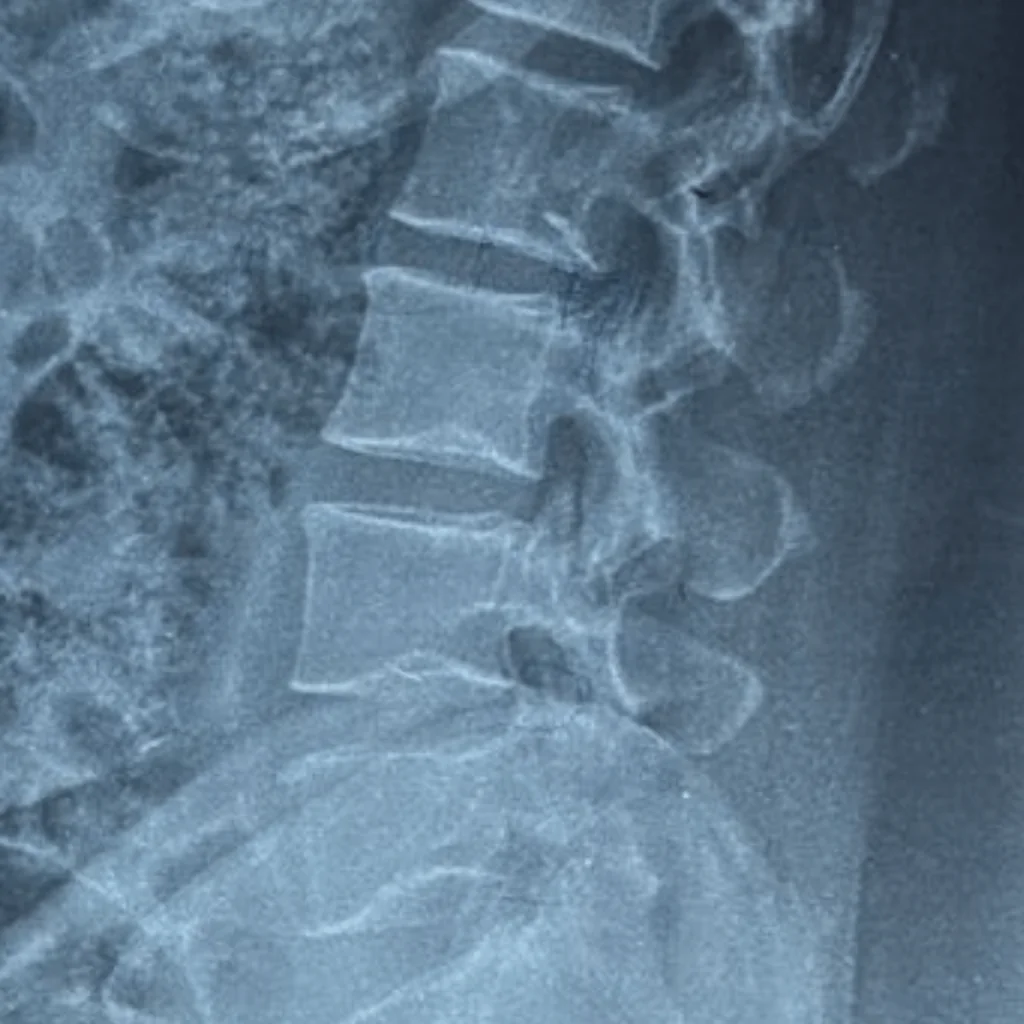 Enlarge image: X-ray showing normal bone anatomy
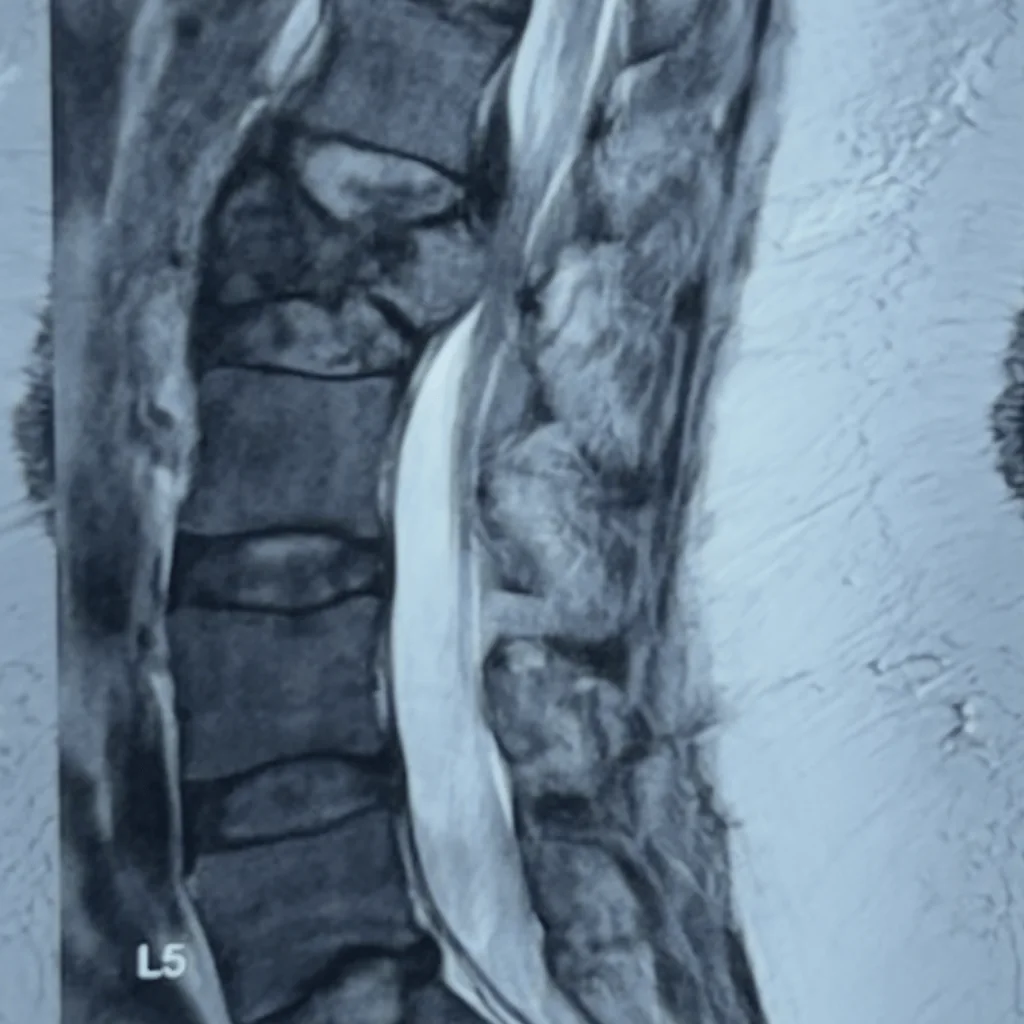 Enlarge image: MRI showing L2 fracture with spinal cord compression
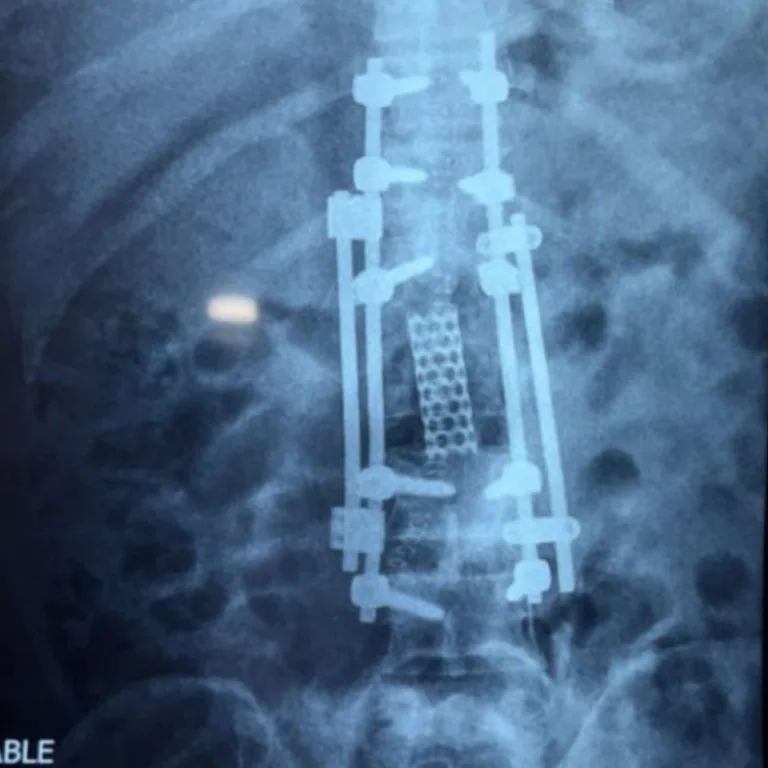 Enlarge image: Post-op x-ray showing spinal reconstruction
The Power of Urgent Surgical Intervention
To relieve the pressure on his spinal cord and rebuild his structural foundation, our team executed a highly sophisticated operation. The procedure involved an aggressive L2 vertebrectomy (removal of the collapsed vertebra) combined with robust T11-L4 instrumentation.
Using heavy-duty double rods and a specialized titanium mesh cage packed with bone grafting, spanning securely from the L1 lower end plate to the L3 upper end plate, we completely stabilized his spine. Simultaneously, a vital bone biopsy was taken to officially diagnose and address the underlying pathology.
A Success Story in Motion
The results of acting swiftly speak for themselves. Today, this patient’s agonizing back pain is entirely gone! He is now sitting up comfortably and working hard in intensive physiotherapy recovery.
He has already regained significant motor power in his left leg. While his right leg is currently lagging slightly behind, it is steadily firing back to life and regaining strength every single day. The rehabilitation team is already working on the next major milestone: getting him to stand on his own two feet again.
Don’t Wait, Protect Your Spine
This success story is a powerful reminder that sudden weakness, numbness, or rapidly escalating back pain requires urgent evaluation. When a neurodeficit appears, delaying surgery by even a few days can lead to irreversible, permanent damage.
Educational Disclaimer: Published strictly for educational and clinical training purposes. Patient identity has been withheld and anonymized in compliance with medical confidentiality standards.